



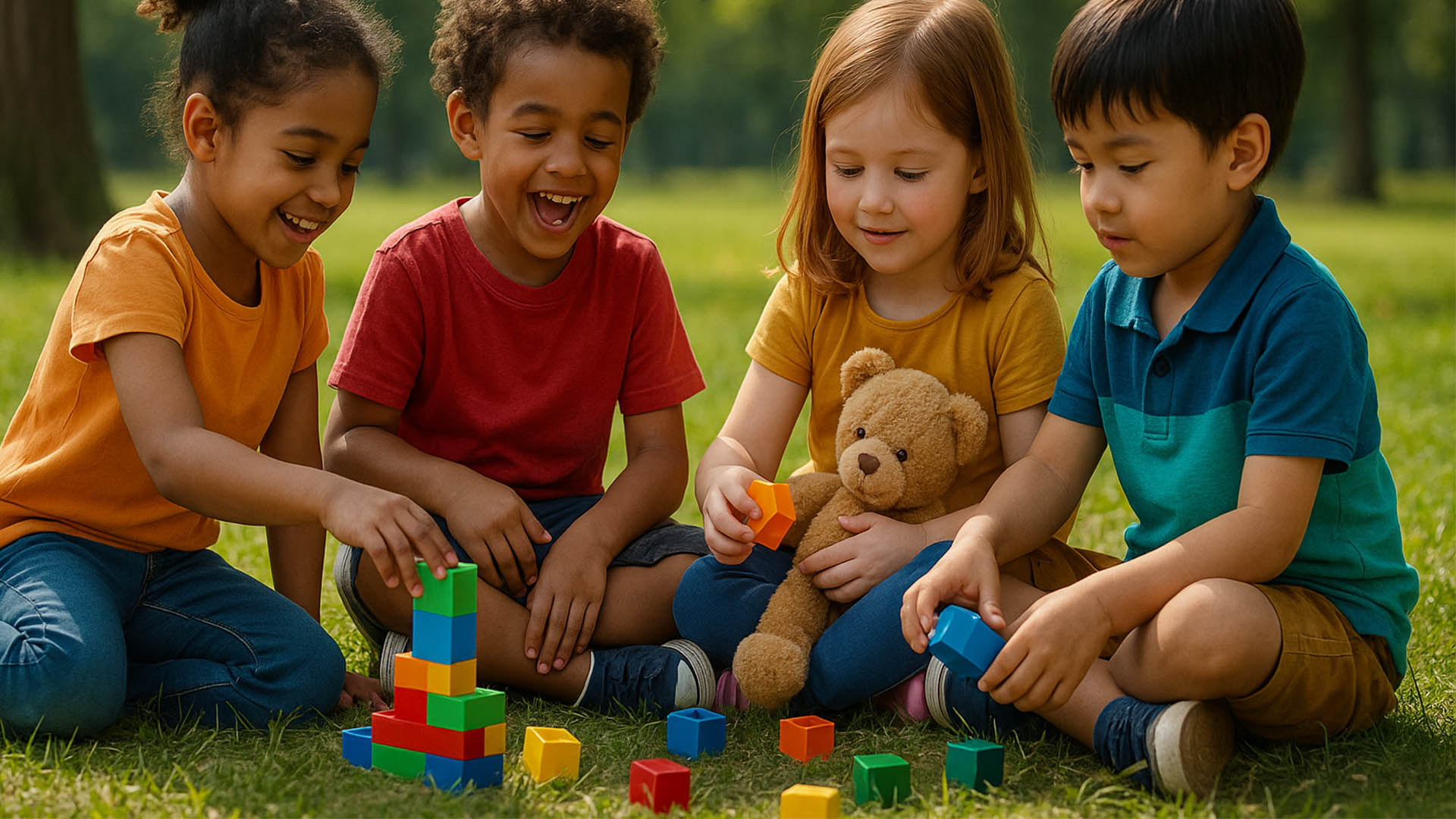

Play is more than just fun and games for children; it is a fundamental aspect of their development. Through play, children learn about the world, develop essential life skills, and build a strong foundation for future learning.
This article explores the profound impact of play on a child's cognitive, social, emotional, and physical well-being, offering insights for parents on how to encourage and support meaningful play.
The Developmental Benefits of Play
Cognitive Growth
Play is a child's first classroom. When children engage in imaginative play, they are developing critical thinking and problem-solving skills. Building with blocks, for example, teaches them about spatial awareness, gravity, and balance. Puzzles and board games enhance their memory, attention span, and ability to follow rules. Even simple activities like singing songs and telling stories boost their language and literacy skills.
"Play is the highest form of research." - Albert Einstein
Social and Emotional Skills
Play is a natural way for children to develop social and emotional intelligence. When they play with others, they learn to share, negotiate, and resolve conflicts. They practice empathy by taking on different roles in pretend play, such as caring for a doll or being a superhero who helps others. Winning and losing in games teaches them about sportsmanship and resilience. Through play, children learn to understand and manage their emotions, building self-confidence and a sense of belonging.
Physical Development
Active play is essential for a child's physical health. Running, jumping, climbing, and dancing help develop their gross motor skills, coordination, and strength. Activities like drawing, coloring, and using scissors enhance their fine motor skills, which are crucial for writing and other daily tasks. Outdoor play, in particular, provides children with fresh air, sunshine, and opportunities to connect with nature, which has been shown to have a positive impact on their overall well-being.
How Parents Can Support Play
Create a Playful Environment
1.Provide Open-Ended Toys: Offer toys that can be used in multiple ways, such as blocks, art supplies, and dress-up clothes. These encourage creativity and imagination.
2.Schedule Unstructured Playtime: Allow children to have free time to play without a specific agenda. This gives them the freedom to explore their own interests and ideas.
3.Limit Screen Time: While some educational apps and games can be beneficial, it's important to balance screen time with active, hands-on play.
4.Get Involved: Join in your child's play! This shows them that you value their interests and provides an opportunity for you to bond and create lasting memories.
The Importance of Safe Play
While encouraging play, it is crucial to ensure a safe environment. Supervise young children during play, especially around water or heights. Ensure that toys are age-appropriate and free from hazards. Teach children about safety rules, such as wearing a helmet when riding a bike.
Q&A: Your Questions Answered
Q: My child just wants to play all day. Shouldn't they be doing more "educational" activities?
A: Play is educational! It is how children learn best. Through play, they are developing a wide range of skills that are essential for academic success and life in general. Instead of replacing play with more structured activities, try to incorporate learning into their play. For example, you can count blocks as you build a tower or talk about colors as you paint a picture.
Q: What if my child prefers to play alone?
A: It's perfectly normal for children to enjoy playing alone sometimes. Solitary play can foster independence, creativity, and concentration. However, it's also important for children to have opportunities to play with others to develop their social skills. You can arrange playdates with other children or visit a local playground to encourage social interaction.
Q: How can I encourage my child to play outdoors more?
A: Make outdoor play a regular part of your family's routine. Go for walks, visit a park, or have a picnic in your backyard. Provide your child with outdoor toys, such as balls, bubbles, and sidewalk chalk. Most importantly, be a role model and show your child that you enjoy spending time outdoors too!
Sources
[1] American Academy of Pediatrics. (2018). The Power of Play: A Pediatric Role in Enhancing Development in Young Children. https://publications.aap.org/pediatrics/article/142/3/e20182058/38649/The-Power-of-Play-A-Pediatric-Role-in-Enhancing
[2] The LEGO Foundation. (n.d.). The Importance of Play. https://www.legofoundation.com/en/why-play/the-importance-of-play/



0 Comments