



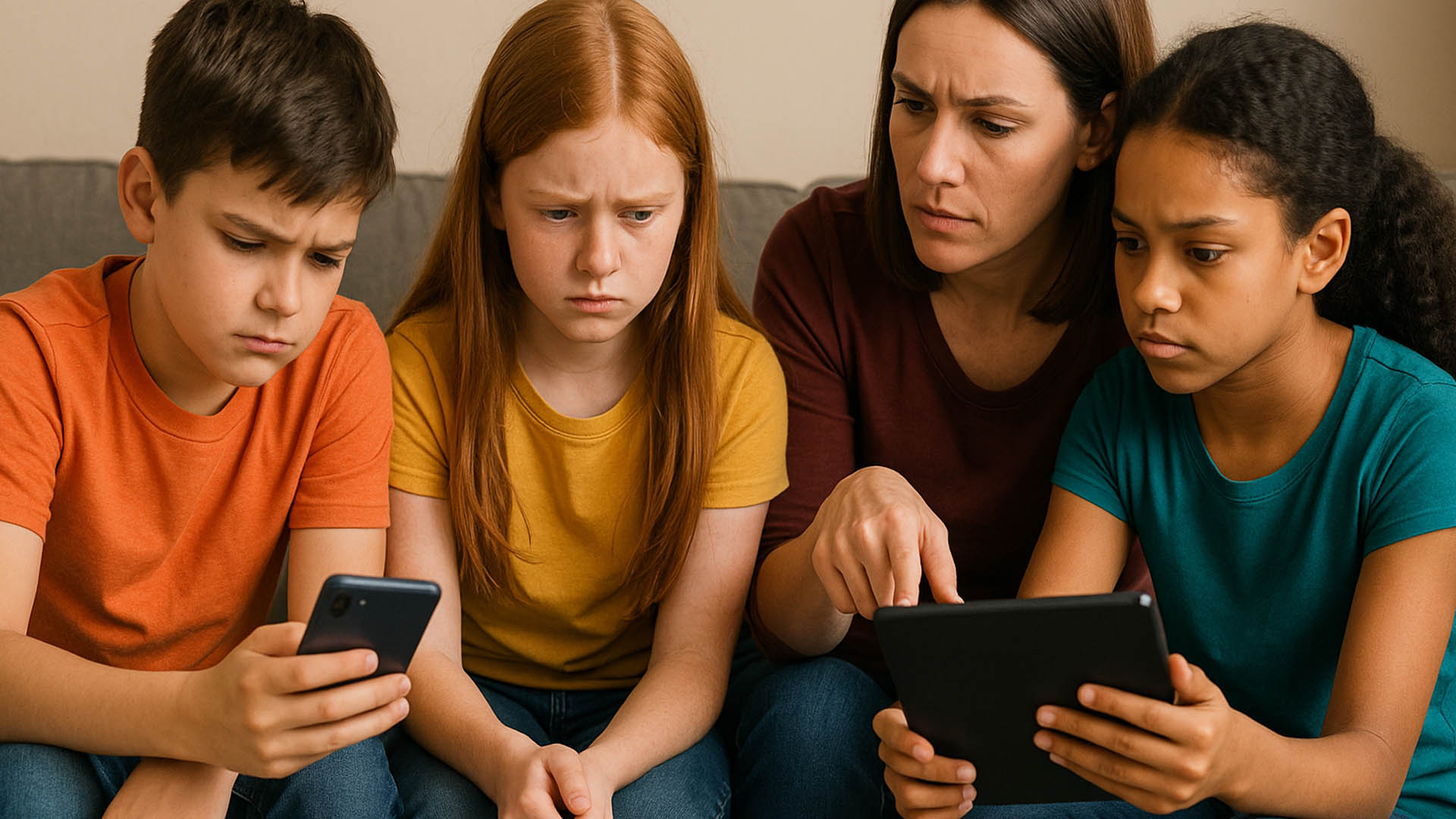

In today's digital world, children and teens spend a significant amount of time online. While the internet offers incredible opportunities for learning and connection, it also presents challenges, particularly regarding cyberbullying and online safety.
This article provides essential information for both children and parents on understanding, preventing, and addressing cyberbullying, ensuring a safer and more positive online experience for everyone.
Understanding Cyberbullying
What is Cyberbullying?
Cyberbullying is bullying that takes place over digital devices like cell phones, computers, and tablets. It can occur through social media, messaging apps, gaming platforms, and other online spaces. Unlike traditional bullying, cyberbullying can happen 24/7 and reach a wide audience quickly. It includes sending, posting, or sharing negative, harmful, false, or mean content about someone else. It can also involve sharing private or embarrassing information about another person causing humiliation or embarrassment.
The Impact of Cyberbullying
Cyberbullying can have serious effects on young people. Research indicates that teens who experience cyberbullying are more likely to suffer from anxiety, depression, and suicidal thoughts [1]. The constant nature of online interactions means victims may feel there's no escape, impacting their self-esteem, academic performance, and overall mental health. It's crucial for parents and educators to recognize the signs and provide support.
Common Forms of Cyberbullying
Cyberbullying can manifest in various ways:
- Harassment: Sending hurtful messages or repeatedly posting mean comments.
- Exclusion: Intentionally leaving someone out of an online group or game.
- Impersonation: Pretending to be someone else to spread rumors or damage their reputation.
- Doxing: Sharing someone's private personal information online without their consent.
- Cyberstalking: Repeatedly sending messages or engaging in online behavior that makes someone feel scared or unsafe.
Protecting Children Online
Tips for Kids: Stay Safe Online
- Think Before You Post: Once something is online, it's hard to take back. Consider if what you're sharing is kind, true, and necessary.
- Keep Passwords Private: Never share your passwords with anyone, even your best friends. Use strong, unique passwords for all your accounts.
- Be Kind Online: Treat others how you want to be treated. Don't say anything online that you wouldn't say in person.
- Block and Report: If someone is cyberbullying you or someone you know, block them and report their behavior to a trusted adult or the platform administrators.
- Talk to a Trusted Adult: If you are being cyberbullied, tell a parent, teacher, or another adult you trust. They can help you figure out what to do.
Advice for Parents: Fostering a Safe Digital Environment
- Open Communication: Create an environment where your children feel comfortable discussing their online experiences, both good and bad, without fear of judgment.
- Set Clear Rules and Boundaries: Establish clear guidelines for internet use, including screen time limits, appropriate websites, and social media behavior. Consider using parental control tools.
- Educate About Digital Citizenship: Teach your children about responsible online behavior, privacy settings, and the importance of empathy in digital interactions.
- Monitor Online Activity: Be aware of the apps and websites your children use. Periodically check their online activity, but respect their privacy where appropriate. Balance monitoring with trust.
- Know the Signs: Be vigilant for changes in behavior, mood, or sleep patterns that could indicate cyberbullying. These might include reluctance to go to school, withdrawal from social activities, or increased secrecy about online activities.
- Document and Report: If your child is cyberbullied, document all incidents (screenshots, dates, times). Report the behavior to the school, internet service provider, or law enforcement if necessary.
Q&A: Your Questions Answered
Q: What should I do if my child is being cyberbullied?
A: The first step is to listen to your child and reassure them that it's not their fault. Document the cyberbullying incidents, block the bully, and report the behavior to the platform. If the bullying is severe or persistent, contact the school or even law enforcement. Seek professional help if your child is showing signs of distress.
Q: How can I talk to my child about online safety without scaring them?
A: Start conversations early and make them ongoing. Focus on empowering your child with knowledge and strategies rather than instilling fear. Use real-life examples or news stories (age-appropriate) to illustrate points. Emphasize that you are there to support them, no matter what happens online.
Q: Are there any apps or tools that can help protect my child online?
A: Yes, many apps and tools offer features like content filtering, screen time management, and activity monitoring. Popular options include Bark, Qustodio, and Google Family Link. Research different options to find one that best suits your family's needs and discuss their use with your child.
Sources
[1] Pew Research Center. (n.d.). A majority of teens have experienced some form of cyberbullying. https://www.pewresearch.org/internet/2018/09/27/a-majority-of-teens-have-experienced-some-form-of-cyberbullying/
[2] Child Trends. (2024). 8 trends to know about children and families for 2025. https://www.childtrends.org/publications/8-trends-children-and-families-2025



0 Comments