



Why Christmas Songs Have a Special Effect on Children
Christmas music interacts directly with how children process sound, rhythm and emotional cues. Studies on child development show that repetitive melodies and predictable patterns help kids feel secure. Verywell Family highlights that familiar holiday songs encourage emotional comfort, especially in younger children, because they blend anticipation with routine.
Music recognized from previous years triggers a sense of continuity, which is particularly important during a holiday season that often disrupts normal routines.
Kids respond well to songs with simple melodies, clear lyrics and repetitive structures. This is why many Christmas songs for children remain unchanged for decades.
The Most Beloved Christmas Songs for Kids
Across streaming platforms, including Spotify’s official Christmas Kids playlist, the same songs appear consistently at the top.
Some of the most loved include:
- Jingle Bells
- Rudolph the Red-Nosed Reindeer
- Santa Claus Is Coming to Town
- Frosty the Snowman
- Deck the Halls
- Here Comes Santa Claus
- Up on the Housetop
These songs balance simplicity with storytelling, allowing kids to visualize scenes and characters. For example, Rudolph’s journey encourages imagination, while Jingle Bells offers rhythmic repetition that supports musical memory.
Why Sing-Along Songs Matter for Kids
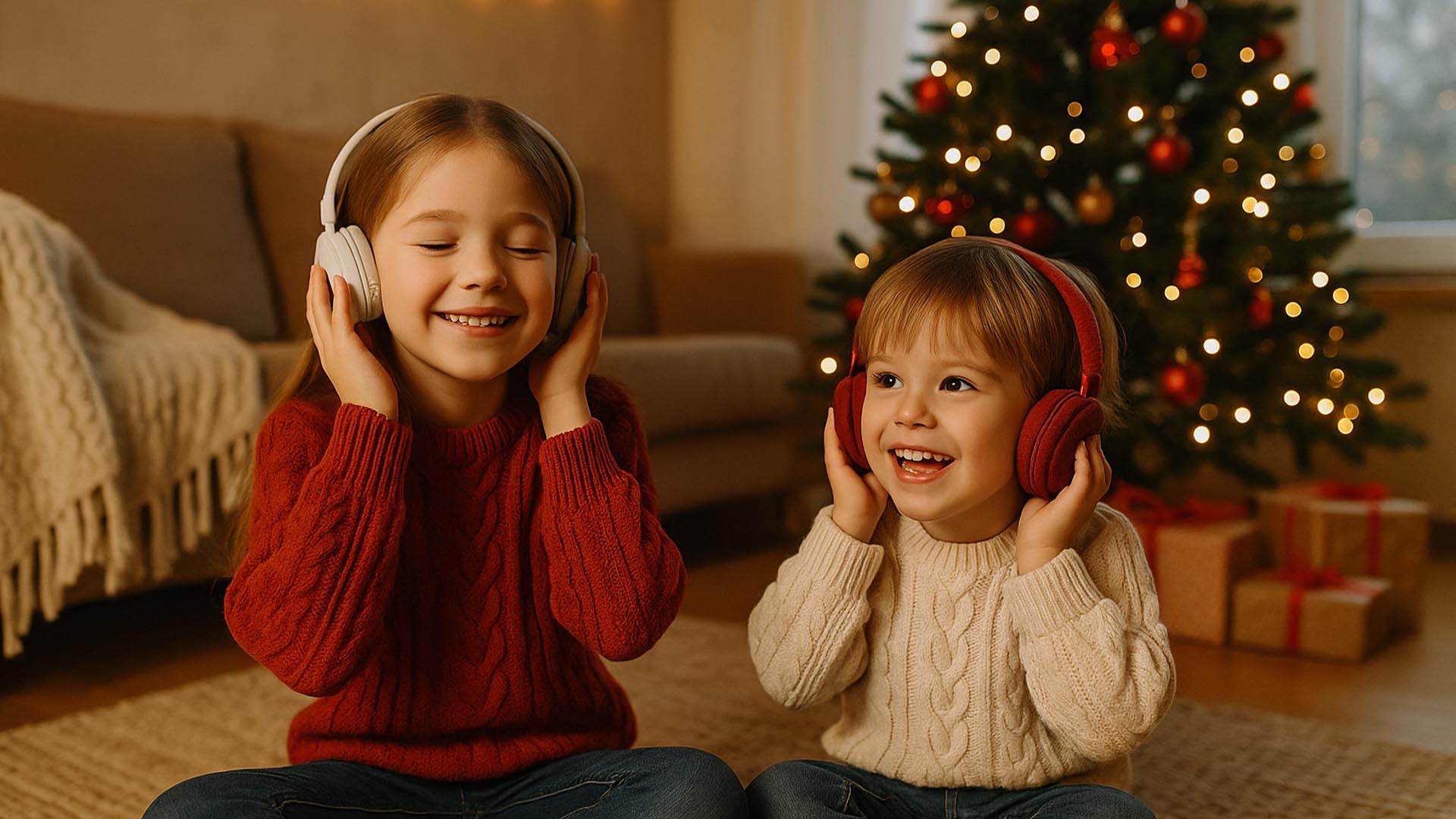
Research from the University of Oxford found that group singing increases bonding and reduces stress for children. Singing together synchronizes breathing and rhythm, creating a shared emotional experience that strengthens connection.
For families,
December often brings excitement mixed with overstimulation. Using sing-along songs helps children regulate emotions, especially before bedtime or during transitions between activities.
Christmas sing-alongs are also accessible. No special equipment is required, and parents do not need musical training. The structure of holiday songs makes them easy to follow, even for toddlers.
Music and Memory Development During the Holidays
Holiday songs are repeated every year, which helps build long-term memory pathways. Because the melodies are easy and predictable, children naturally anticipate the next line.
Neuroscience research shows that seasonal music can activate autobiographical memory. For kids, these memories form rapidly. Singing Jingle Bells while decorating the tree one year makes the next year’s experience emotionally richer.
How Parents Can Use Christmas Music Creatively
Parents often underestimate how powerful soundscapes can be during December. With just a few adjustments, Christmas music becomes a tool for emotional regulation, family bonding and learning. Here are effective ways to use it:
- Create a morning playlist to start the day calmly.
- Use songs as transitions, such as moving from playtime to cleaning.
- Dance together for physical activity when it is too cold to go outside.
- Add simple percussion instruments for rhythm practice.
- Combine songs with Christmas crafts for a multi-sensory experience.
- Include bedtime lullabies like Silent Night or Away in a Manger for winding down.
How Streaming Changed Christmas Music for Kids
Platforms like Spotify and YouTube have expanded access to holiday playlists made specifically for families. Kids now have versions of songs tailored to different age groups, such as slowed-down tracks for toddlers or dance remixes for older children.
Streaming algorithms also surface new Christmas songs every year, but classic recordings remain dominant. This creates a mix of tradition and novelty that helps maintain kids’ interest across the whole holiday season.
Creating a Healthy Balance with Music
Music is one of the most effective ways to reduce screen time during December. Instead of videos, parents can use audio-only playlists that keep kids entertained without visual overstimulation.
When used well, Christmas music supports emotional development, reduces stress, and reinforces family traditions in a natural, enjoyable way.
Sources
Verywell Family, Best Christmas Songs for Kids
Spotify Christmas Kids Playlist: https://open.spotify.com/playlist/37i9dQZF1DX0Yxoavh5qJV
University of Oxford, Singing and Social Bonding

0 Comments