



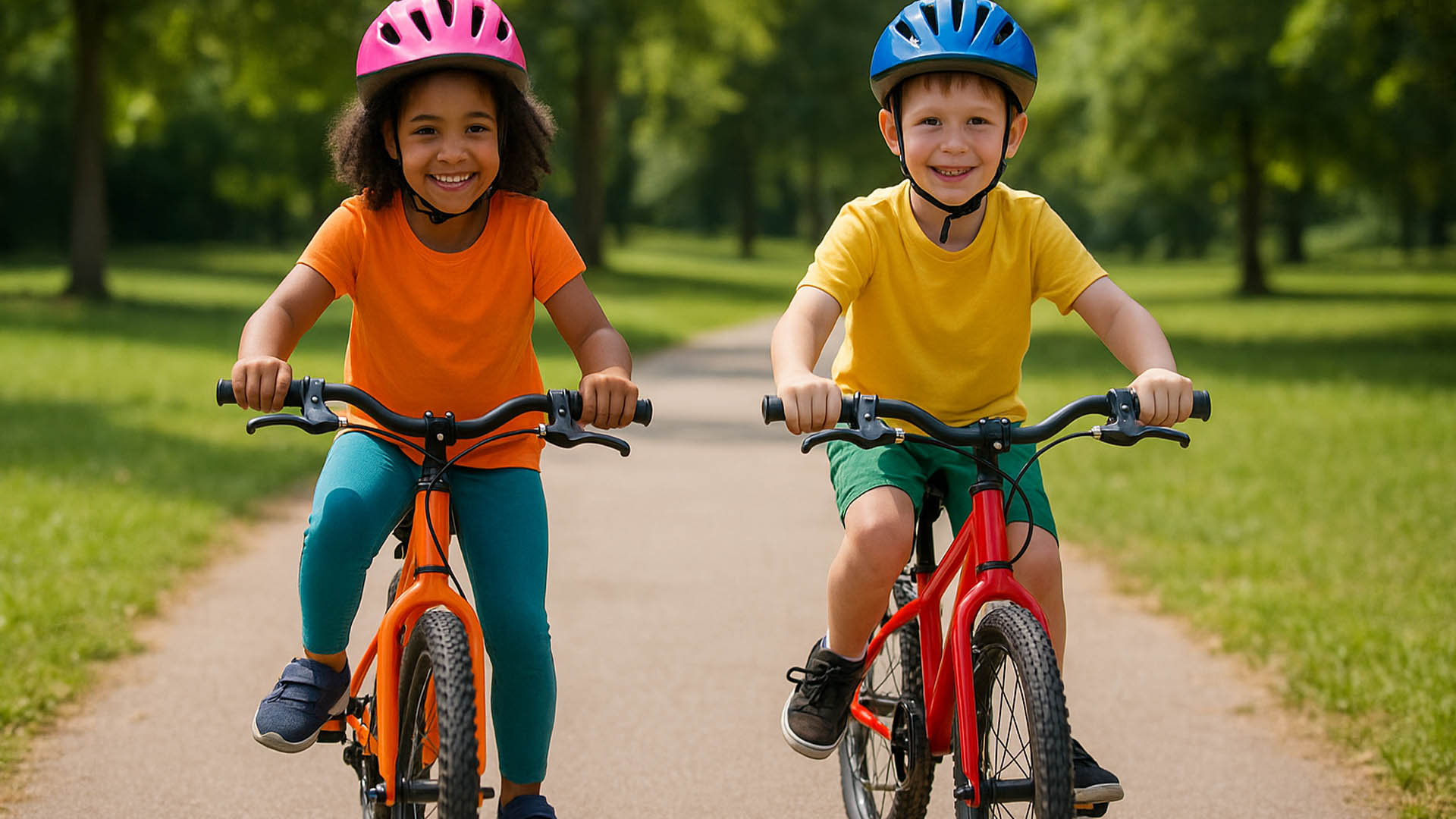

Biking is a fantastic way for children to explore, exercise, and have fun. It offers a sense of freedom and adventure. However, with the joy of cycling comes the responsibility of staying safe. Learning and practicing bike safety rules from a young age is crucial for preventing accidents and ensuring that every ride is a happy one.
This article will cover essential bike safety tips for kids and parents, from wearing the right gear to understanding traffic rules.
Why is Bike Safety So Important?
Bike accidents can lead to serious injuries, especially head injuries. A properly fitted helmet can significantly reduce the risk of severe head trauma. Beyond helmets, understanding how to ride safely in different environments and being aware of surroundings are key to a child's protection [1].
Choosing the Right Gear
The Essential Helmet
The most important piece of safety gear is a helmet. It should fit snugly, level on the head, and cover the forehead. The straps should form a 'V' under each ear, and the buckle should be centered under the chin. A helmet that is too big or too small won't offer adequate protection [2].
Bright Clothing and Reflectors
Encourage children to wear bright-colored clothing to make them more visible to drivers and pedestrians, especially during the day. For evening rides, which should ideally be avoided, reflectors on the bike and reflective tape on clothing are essential. A white front light and a red rear light are also recommended for visibility [3].
Rules of the Road (and Sidewalk)
Understanding Traffic Laws
Even young riders should begin to learn basic traffic laws. When riding on the street (for older, more experienced children), cyclists should ride on the right side of the road, with traffic, not against it. They should also use hand signals to indicate turns or stops and obey all traffic signs and signals [4].
Sidewalk vs. Street
For younger children (generally under 10), it is safer to ride on sidewalks away from vehicle traffic. However, they should be mindful of pedestrians and slow down or dismount when passing others. Parents should check local regulations, as sidewalk riding may be prohibited in some areas [5].
Bike Maintenance for Safety
The ABC Quick Check
Before every ride, teach children (or perform for them) the ABC Quick Check:
- A is for Air: Check tire pressure.
- B is for Brakes: Ensure they work effectively.
- C is for Chain: Make sure it's clean and lubricated.
- Quick is for Quick Releases: Check that wheels are securely fastened.
- Check is for Check it over: A general visual inspection of the bike [6].
Parental Guidance and Supervision
Leading by Example
Parents are the most important role models. Always wear a helmet when cycling with your child and follow all safety rules. This reinforces good habits and demonstrates the importance of safety [7].
Practicing Safe Riding
Practice riding in safe, controlled environments like parks or quiet streets before venturing into busier areas. Teach children to look left, right, and left again before crossing streets, and to make eye contact with drivers [8].
Q&A: Your Bike Safety Questions Answered
Q1: At what age can my child ride on the street?
A1: It's generally recommended that children under 10 ride on sidewalks or designated paths. Their cognitive development and ability to assess traffic situations mature around this age. Always supervise them closely, regardless of age, until you are confident in their skills.
Q2: How often should I check my child's helmet fit?
A2: Children grow quickly, so you should check their helmet fit at the beginning of every riding season and periodically throughout the year. A helmet that was once a perfect fit might become too small.
Q3: What if my child refuses to wear a helmet?
A3: Explain the importance of a helmet in a way they can understand, perhaps by showing them how it protects their brain. Make it a non-negotiable rule: no helmet, no ride. Let them choose a helmet they like to encourage compliance.
Q4: Are training wheels safe?
A4: Training wheels can help children learn balance, but they should be removed as soon as the child is ready. Riding without training wheels helps develop better balance and control, which are essential for safe cycling.
Sources
- Safe Kids Worldwide - Bike Safety Tips
- Nemours KidsHealth - Bike Safety (for Kids)
- National Highway Traffic Safety Administration (NHTSA) - Bicycle Safety
- Ride Illinois - Safety Tips for Kids Riding Bikes
- Children's Hospital Los Angeles - Kids and Bikes: Smart Moves for a Safe Ride
- League of American Bicyclists - ABC Quick Check
- Safe Kids Worldwide - Bike
- CDC - Young Children: Safety in the Home & Community



0 Comments