



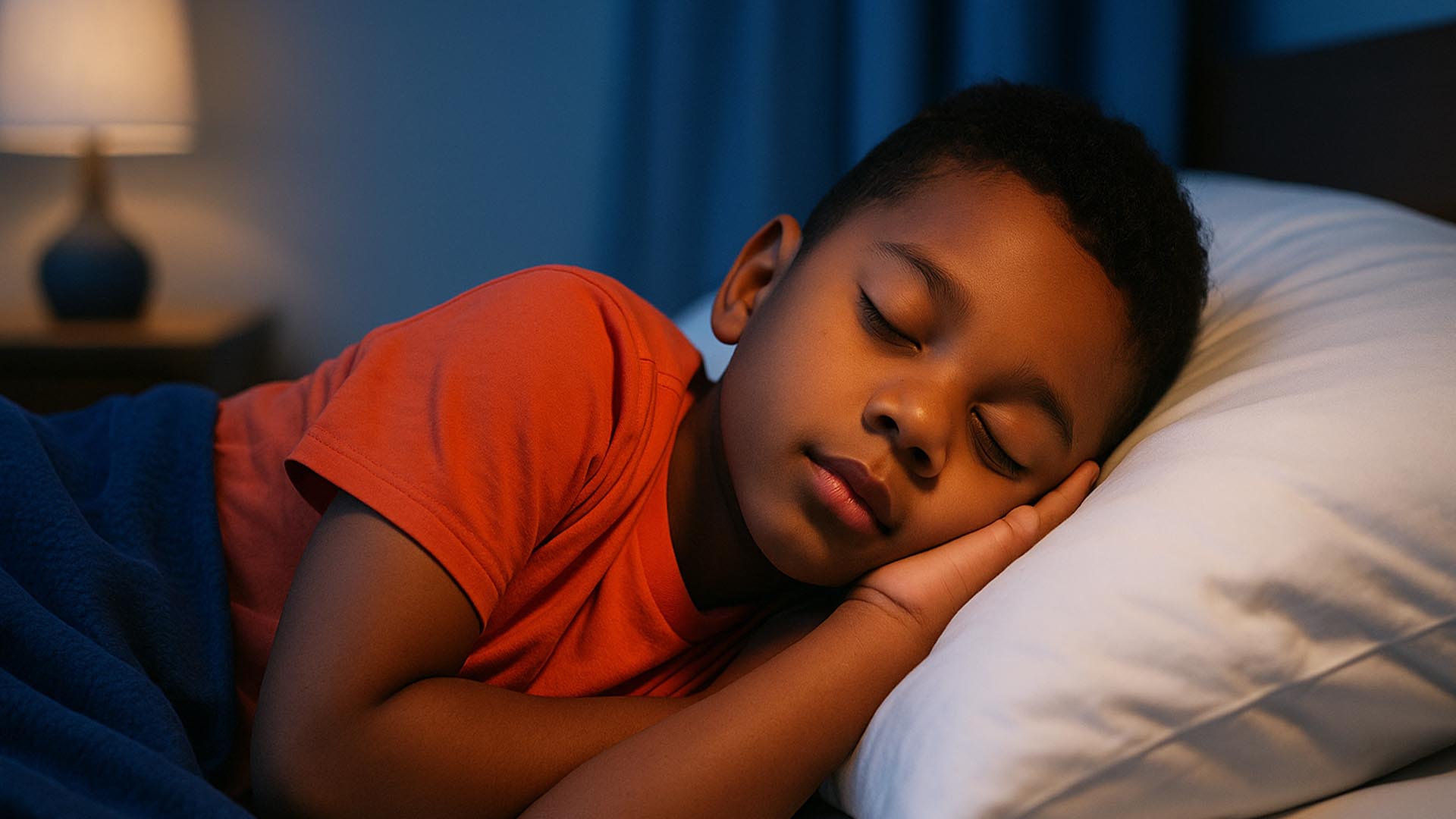
Imagine your body and brain are like a super-busy superhero headquarters. All day long, they are working hard—running, playing, and learning new things. But even superheroes need a break! That's where sleep comes in.
Sleep is not just "turning off"; it's a time when your body and brain do some of their most important work. It's the secret power that helps you grow taller, learn better, and feel happier [1]. Let's discover the science behind your amazing sleep!
What Happens When You Sleep?
When you finally close your eyes, your body enters a busy repair shop! Scientists have found that sleep is essential for many things:
•Brain Development: A good deal of your brain's growth and development happens while you are sleeping [2]. Your brain sorts through all the information you learned during the day and stores it as memories. This is why sleeping after studying helps you remember things better!
•Physical Growth: During deep sleep, your body releases special hormones that help you grow big and strong [3].
•Energy Recharge: Sleep restores your body's energy, making you ready to run, jump, and play the next day. Lack of sleep can make you grumpy and hyperactive [4].
"Sleep is essential for children's health, impacting development, attention, and learning. Lack of sleep can cause grumpiness, hyperactivity, and difficulty concentrating." [4]
The Two Main Types of Sleep
Your sleep is divided into cycles with two main types:
1.Non-REM Sleep: This is the deep, quiet sleep where your body rests, repairs muscles, and releases growth hormones.
2.REM Sleep (Rapid Eye Movement): This is when your brain is very active, and you do most of your dreaming! REM sleep is very important for learning and memory.
You cycle through these two types of sleep several times a night, making sure both your body and brain get the rest they need.
Tips for a Super-Powered Sleep Routine
To make sure your superhero headquarters gets the best rest, follow these simple tips for a great sleep routine:
•Consistent Bedtime: Go to bed and wake up at the same time every day, even on weekends. This helps set your body's internal clock [5].
•The Power-Down Hour: About an hour before bed, turn off all bright screens, like phones, tablets, and TVs. The blue light from screens can trick your brain into thinking it's still daytime [5].
•Keep it Cool, Dark, and Quiet: Your bedroom should be a cozy cave—cool, dark, and quiet—to help you fall asleep faster.
•Relaxing Routine: Have a calming routine before bed, like taking a warm bath, reading a book, or listening to quiet music.
Q&A: Your Sleep Questions Answered
Q: How much sleep do kids need? A: It depends on your age! School-age children (6-12 years old) usually need 9 to 12 hours of sleep per night. Teenagers (13-18 years old) need 8 to 10 hours [4].
Q: Why do I sometimes wake up in the middle of the night? A: It's totally normal! Everyone wakes up a few times a night, but most of the time, you fall right back to sleep and don't even remember it. If you wake up and can't fall back to sleep, try a mindful breathing exercise instead of looking at a clock.
Q: What are dreams? A: Dreams are the stories and images your brain creates while you are sleeping, mostly during REM sleep. Scientists think dreaming is a way for your brain to process emotions and memories from the day.
Sources
1.Sleep: An essential element of success for children



0 Comments