



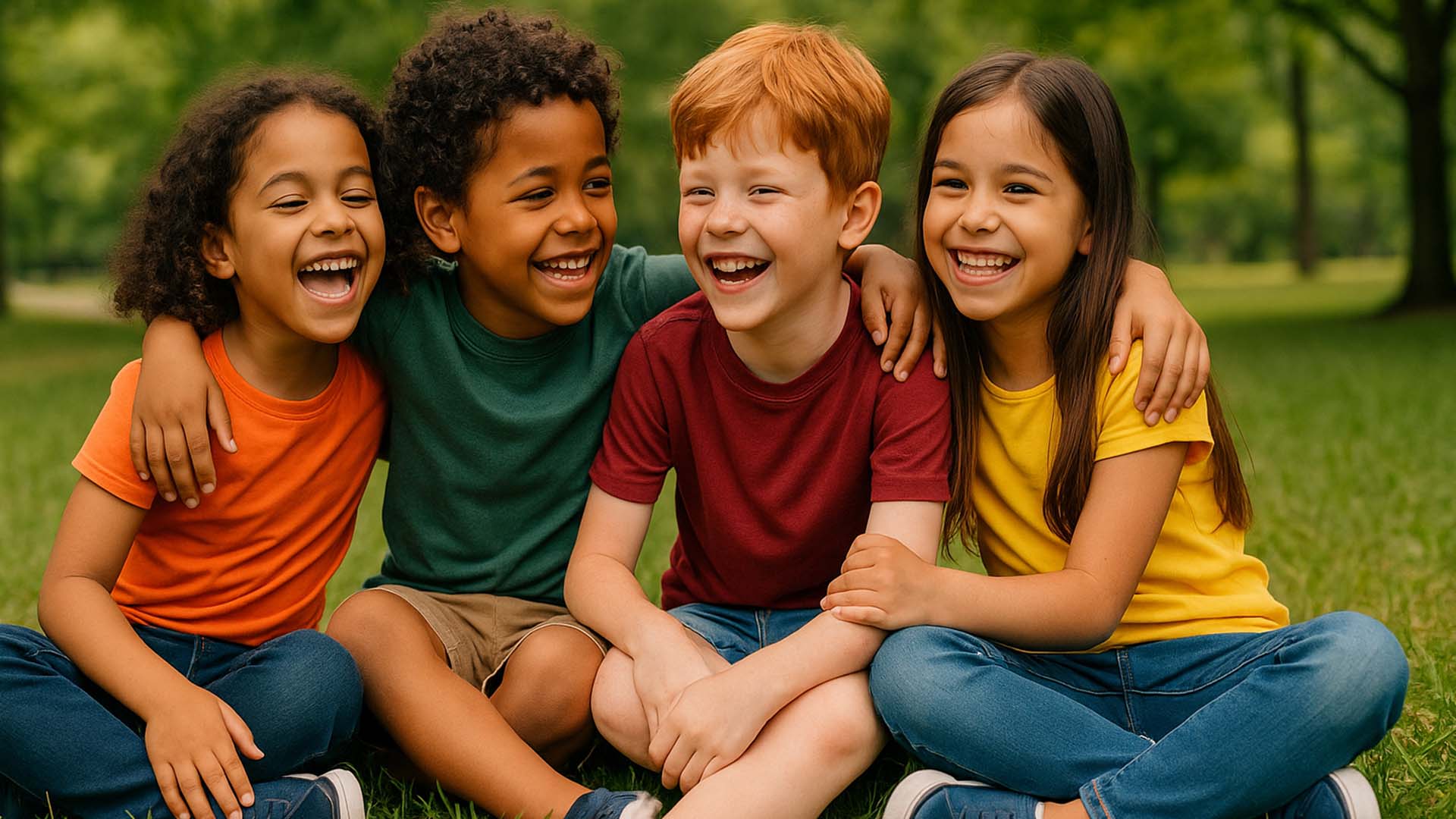
Friendship is a precious gift that enriches our lives in countless ways, and for children, it plays a vital role in their development. From early childhood through adolescence, having friends helps kids learn important social skills, build self-esteem, and navigate the complexities of the world around them.
This article explores why friendships are so crucial for children and how parents can support their kids in forming and maintaining healthy relationships.
The Developmental Significance of Childhood Friendships
Childhood friendships are more than just fun and games; they are fundamental to a child's social and emotional growth. Research consistently shows that positive friendships contribute to better mental health and overall well-being, both in the short term and as children grow into adults [1]. Through interactions with friends, children learn empathy, cooperation, problem-solving, and how to manage conflicts, all of which are essential life skills.
How Friendships Shape a Child's World
1. Building Self-Esteem and Belonging
Friends provide children with a sense of belonging and acceptance, which is crucial for developing a positive self-image. When children feel valued by their peers, their self-esteem grows, making them more confident in social situations and in their own abilities [2]. This sense of connection helps reduce feelings of loneliness and stress, contributing to a child's overall happiness.
2. Developing Social Skills
Interacting with friends is a natural classroom for social skills. Children learn to share, take turns, negotiate, and compromise. They practice communication, active listening, and understanding different perspectives. These interactions help them develop emotional intelligence, allowing them to better understand and respond to the feelings of others [3].
3. Learning Conflict Resolution
Disagreements are a normal part of any relationship, and friendships provide a safe space for children to learn how to resolve conflicts. Through arguments and reconciliations, kids learn to express their feelings, listen to others, and find mutually agreeable solutions. These experiences are invaluable for navigating future relationships, both personal and professional.
4. Emotional Support and Resilience
Friends offer a unique form of emotional support. During challenging times, having a friend to confide in can help children cope with stress, anxiety, and sadness. Strong friendships can act as a buffer against negative experiences, fostering resilience and helping children bounce back from setbacks [4].
5. Expanding Perspectives
Children's friendships often expose them to different ideas, backgrounds, and ways of thinking. This broadens their understanding of the world and helps them develop tolerance and respect for diversity. Learning from friends who have different experiences can enrich a child's perspective and challenge their assumptions.
Q&A: The Importance of Friendship for Kids
Q1: How can parents help their children make friends?
A1: Encourage participation in group activities like sports, clubs, or playdates. Teach and model good social behaviors such as sharing, listening, and being kind. Help your child understand social cues and practice conversation skills. Most importantly, be a warm and respectful role model yourself [5].
Q2: What are the signs of a healthy friendship?
A2: Healthy friendships are built on mutual respect, trust, and support. Friends should make each other feel good, listen to each other, and enjoy spending time together. They should also be able to resolve conflicts constructively and forgive each other.
Q3: How can I help my child if they are struggling with friendships?
A3: Talk to your child about their feelings and offer empathy. Help them identify potential friends and suggest ways to initiate interaction. Role-play social situations and teach them strategies for handling rejection or conflict. Sometimes, seeking guidance from a school counselor or child psychologist can also be beneficial.
Sources
[1] The power of friendship: The developmental significance of … Society for Research in Child Development. https://srcd.onlinelibrary.wiley.com/doi/10.1111/cdep.12450
[2] The Importance of Friendship from Early Childhood to … Jewish Community Services. https://www.jcfs.org/blog/importance-friendship
[3] The Benefits of Early Childhood Friendships and 3 Tips for … Exchange Family Center. https://www.exchangefamilycenter.org/exchange-family-center-blog/2019/10/1/the-benefits-of-early-childhood-friendships-and-3-tips-for-helping-your-child-establish-meaningful-friendships
[4] Children's friendships | BPS. British Psychological Society. https://www.bps.org.uk/psychologist/childrens-friendships
[5] Help kids make friends: 12 evidence-based tips. Parenting Science. https://parentingscience.com/kids-make-friends/

0 Comments