



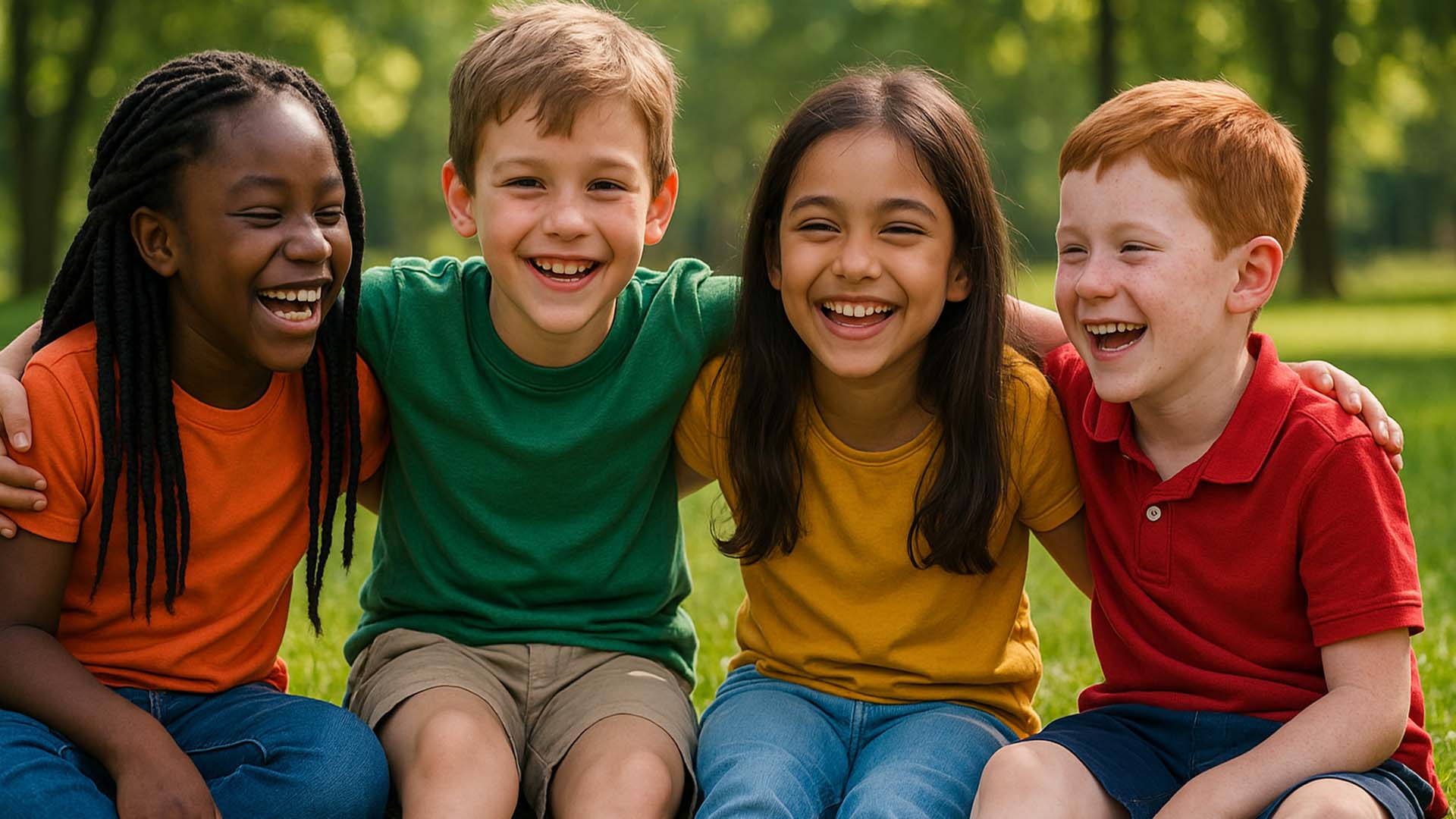
Friendships are incredibly important for children, from their earliest years through adolescence. They play a crucial role in personal and social development, helping children build self-esteem and navigate social situations. This article will explore why friendships are so vital for kids and how they contribute to emotional and social well-being.
Why Friendships Matter
Friendships offer more than just companionship; they provide a foundation of support and opportunities for growth. Through shared activities and interactions, children learn essential social skills like teamwork, cooperation, and empathy. These experiences help them develop a sense of self-worth and belonging. Early childhood friendships, in particular, contribute to a child’s quality of life and help them adjust to changes in their environment.
Developing Social Skills
Friendships are a training ground for social skills. Children learn about the ‘give and take’ of relationships, how to share, take turns, and resolve conflicts. These interactions are vital for developing communication skills and emotional regulation. For example, engaging in play-based groups allows children to practice socializations in safe spaces, where they can learn to acknowledge and accept different personalities. This practice helps them navigate social situations in school and other environments.
Emotional and Mental Wellness
Friendships play a key role in a child’s emotional and spiritual development. They provide comfort, intimacy, and support, which are crucial for mental well-being. As children grow older, they begin seeking acceptance from outside sources to boost their confidence and prove their value. Pre-teens, for instance, learn to navigate friendships in new ways and begin feeling a sense of personal agency around deciding who is important to them. These relationships can develop into very deep and abiding friendships, offering a source of advice, validation, and fun. Programs that encourage positive, healthy friendships can be life-changing for participants, promoting inclusivity and helping them find common ground.
Understanding Emotions
Friendships also help children understand and manage their emotions. When children interact with friends, they encounter a range of feelings – their own and those of others. This helps them develop emotional intelligence, learning to recognize, understand, and respond to emotions appropriately. Emotion coaching, where adults help children understand how emotions work, can be particularly beneficial in helping kids make and maintain friendships.
Q&A
Q1: Why are friendships important for children?
A1: Friendships are important because they help children develop self-esteem, learn social skills like teamwork and empathy, and provide emotional support and a sense of belonging.
Q2: How do friendships help children develop social skills?
A2: Through friendships, children learn to share, take turns, cooperate, and resolve conflicts. They also practice communication and emotional regulation in a safe environment.
Q3: How do friendships contribute to a child\'s emotional well-being?
A3: Friendships provide comfort, intimacy, and support, which are crucial for emotional and mental wellness. They help children build confidence and find validation outside of their family.
Q4: What is emotional intelligence in the context of friendship?
A4: Emotional intelligence in friendship means being able to recognize, understand, and respond appropriately to your own emotions and the emotions of your friends. This helps build stronger, healthier bonds.
Sources
- JCFS Chicago. (n.d.). The Importance of Friendship from Early Childhood to Adolescence. https://www.jcfs.org/blog/importance-friendship
- Focus on the Family. (n.d.). Back to School: Why Friendship is Important for Children. https://www.focusonthefamily.com/parenting/back-to-school-why-friendship-is-important-for-children/



0 Comments