





Gratitude is a powerful trait that helps children develop empathy, happiness, and resilience. When kids learn to appreciate the small and big things in life, they build stronger relationships and a more positive outlook. Teaching gratitude doesn’t have to be complicated—it can be woven into everyday routines through simple actions and meaningful conversations.
This guide explores practical ways to nurture gratitude in children and encourage an appreciation for life’s little joys.
Why Teaching Gratitude Matters
1. The Benefits of Gratitude for Kids
- Encourages a positive mindset and reduces entitlement.
- Strengthens social bonds and appreciation for others.
- Increases overall happiness and emotional resilience.
- Helps children manage disappointments and setbacks.
2. Signs a Child May Need to Develop More Gratitude
- Expressing frequent dissatisfaction with what they have.
- Struggling to appreciate others’ efforts.
- Focusing more on what they don’t have than on what they do.
- Difficulty saying “thank you” without being reminded.
Simple Ways to Teach Gratitude to Kids
1. Model Gratitude in Daily Life
- Say “thank you” often to children and others around you.
- Express appreciation for small moments (“I’m so grateful for this sunny day!”).
- Show kindness and acknowledgment to service workers, teachers, and family members.
2. Start a Daily Gratitude Ritual
- Gratitude Jar: Have kids write one thing they are thankful for each day and place it in a jar.
- Gratitude Circle: At dinner or bedtime, share one good thing about the day.
- Gratitude Journal: Older kids can write three things they’re grateful for daily.
3. Encourage Acts of Kindness
- Help kids make thank-you notes for teachers, friends, or family members.
- Encourage them to help others, whether through chores, community service, or small gestures of kindness.
- Praise kids when they show appreciation without being prompted.
4. Teach Gratitude Through Storytelling
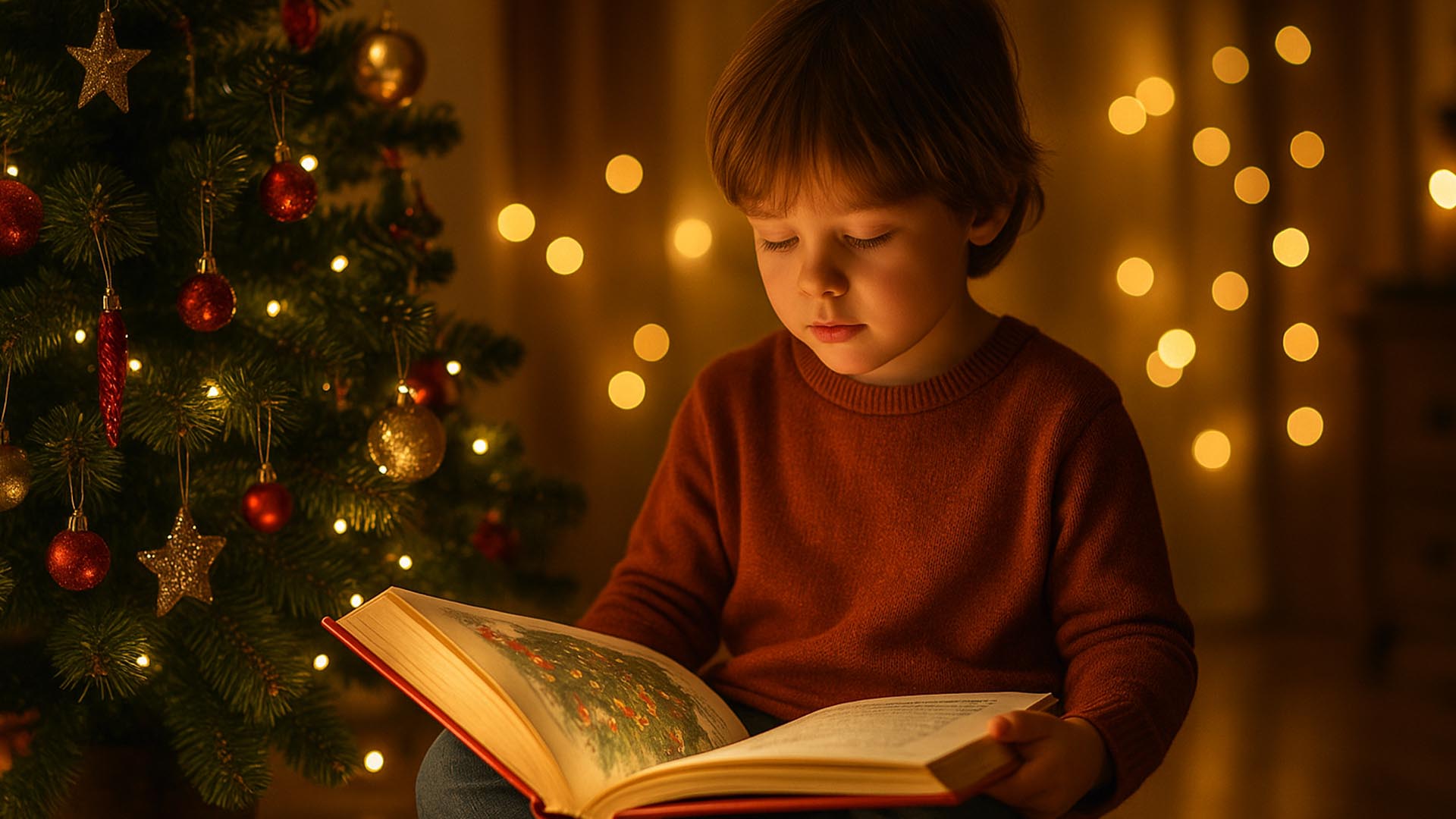
- Read books that highlight themes of gratitude and appreciation.
- Discuss the moral of stories and how characters express thankfulness.
- Share personal stories about moments when gratitude made a difference in your life.
5. Limit Overindulgence and Entitlement
- Encourage kids to earn privileges rather than expecting them automatically.
- Avoid buying too many unnecessary gifts—focus on meaningful experiences instead.
- Teach children the value of contentment by reminding them of what they already have.
Gratitude Activities for Kids
1. Thankfulness Tree
What You Need: Paper, markers, cut-out leaves, or a printable tree template. Instructions:
- Write one thing you’re grateful for on a leaf.
- Attach it to a tree drawing or wall display.
- Watch the tree “grow” as more gratitude is added.
2. Gratitude Scavenger Hunt
Instructions:
- Have kids find things they are grateful for around the house.
- Examples: “Find something that makes you smile” or “Find something that helps you every day.”
- Discuss their findings and why each item is meaningful.
3. Giving Back Challenge
Instructions:
- Encourage kids to donate toys, books, or clothes they no longer use.
- Participate in a family volunteer day.
- Help kids make small gifts for neighbors, teachers, or friends.
When to Reinforce Gratitude Lessons
- When kids express disappointment or frustration.
- During holidays, birthdays, or moments of receiving gifts.
- After acts of kindness from others, to highlight appreciation.
- In everyday conversations, making gratitude a natural part of life.
Conclusion
Gratitude is a lifelong skill that brings joy, resilience, and deeper connections. By modeling appreciation, creating gratitude-focused activities, and encouraging kind actions, parents can help children develop a strong sense of thankfulness. Start small, be consistent, and watch as gratitude transforms your child’s outlook on life.
Sources:
- American Psychological Association. "How Gratitude Improves Emotional Well-Being." https://www.apa.org/
- Child Mind Institute. "Teaching Kids the Power of Gratitude." https://childmind.org/
- Greater Good Science Center. "Raising Grateful Children: The Science Behind Thankfulness." https://ggsc.berkeley.edu/
Photo by Andrea Tummons on Unsplash


0 Comments