



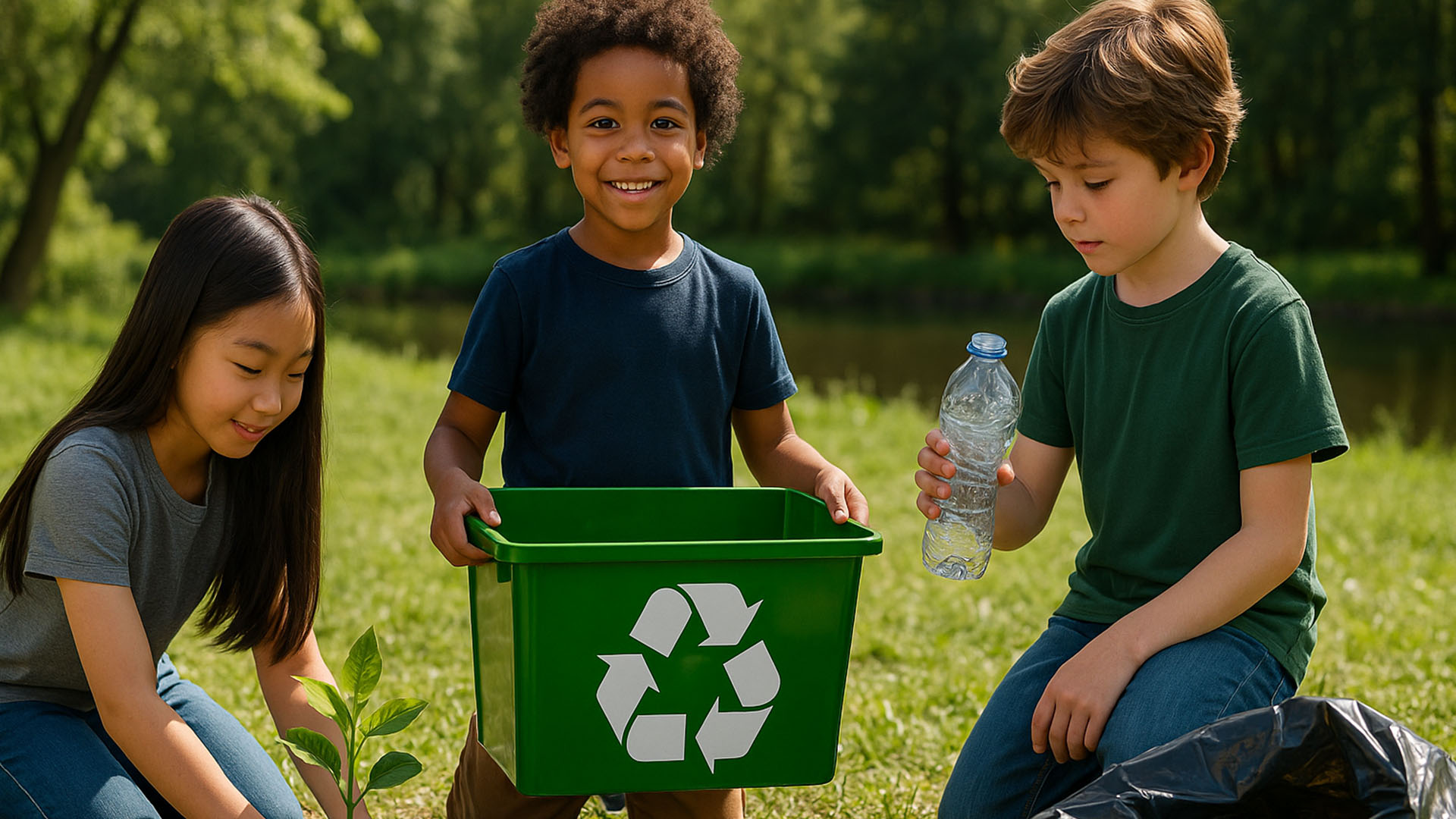
Our planet is a beautiful and precious place, and it's up to all of us to take care of it. Even the youngest members of our society can make a big difference in protecting our environment. This article will explore simple yet impactful ways that children can get involved in caring for our planet, from being a habitat hero to conserving resources at home. By instilling a sense of environmental responsibility in children, we can empower them to become lifelong advocates for a healthier planet.
Be a Habitat Hero
One of the most important things we can do to protect our planet is to take care of its diverse habitats. National Geographic Kids suggests several ways children can be habitat heroes:
- Protect local habitats: When exploring nature, stick to the paths to avoid disturbing plants and animals.
- Make your garden wildlife-friendly: Create a welcoming space for creatures big and small by building a bee hotel, leaving a log pile for insects, or even creating a small pond.
- Keep wildlife safe: If you have a cat that goes outdoors, putting a bell on its collar can help protect birds and other small animals [1].
Reduce, Reuse, Recycle
We live in a world where it's easy to throw things away, but much of what we discard can be given a new life. Teaching children the three R's – reduce, reuse, and recycle – is a fundamental step in caring for our planet.
- Reduce: Encourage children to think about what they really need before buying new things. This can help reduce waste and conserve resources.
- Reuse: Before throwing something away, think about how it could be reused. Old clothes can become cleaning rags, and empty jars can be used for storage.
- Recycle: Teach children how to sort recyclables and why it's important to keep them out of landfills [1].
Be a Green Eater
What we eat has a big impact on the planet. By making mindful food choices, we can help protect our natural resources.
- Try plant-based meals: Eating more vegetarian or vegan meals can help reduce the environmental impact of food production.
- Choose sustainable seafood: Look for the blue MSC label on seafood products to ensure they have been sourced responsibly [1].
Conserve Water and Energy
Water and energy are precious resources, and it's important to use them wisely. Children can help conserve these resources in many simple ways:
- Save water: Turn off the tap while brushing your teeth, take shorter showers, and fix any dripping faucets.
- Save energy: Turn off lights when you leave a room, unplug electronics when they're not in use, and hang clothes outside to dry instead of using a dryer [1].
Be a Planet Advocate
The most powerful way to make a difference is to share your knowledge and passion with others. Encourage children to talk to their friends and family about the importance of caring for our planet. By working together, we can create a brighter future for all.
Q&A
Q1: How can I make learning about the environment fun for my child?
A1: You can make learning about the environment fun by turning it into a game or an adventure. Go on a nature scavenger hunt, build a birdhouse together, or start a family garden.
Q2: What are some simple ways to reduce plastic waste as a family?
A2: You can reduce plastic waste by using reusable water bottles and shopping bags, packing lunches in reusable containers, and choosing products with minimal packaging.
Q3: How can I teach my child about climate change in an age-appropriate way?
A3: For young children, you can focus on simple concepts like keeping the air and water clean. For older children, you can talk about the science of climate change and what we can do to help.
Sources
- [1] National Geographic Kids. (n.d.). How to save the planet: a kids’ guide!. Retrieved from https://www.natgeokids.com/uk/discover/science/nature/how-to-save-the-planet/


0 Comments