



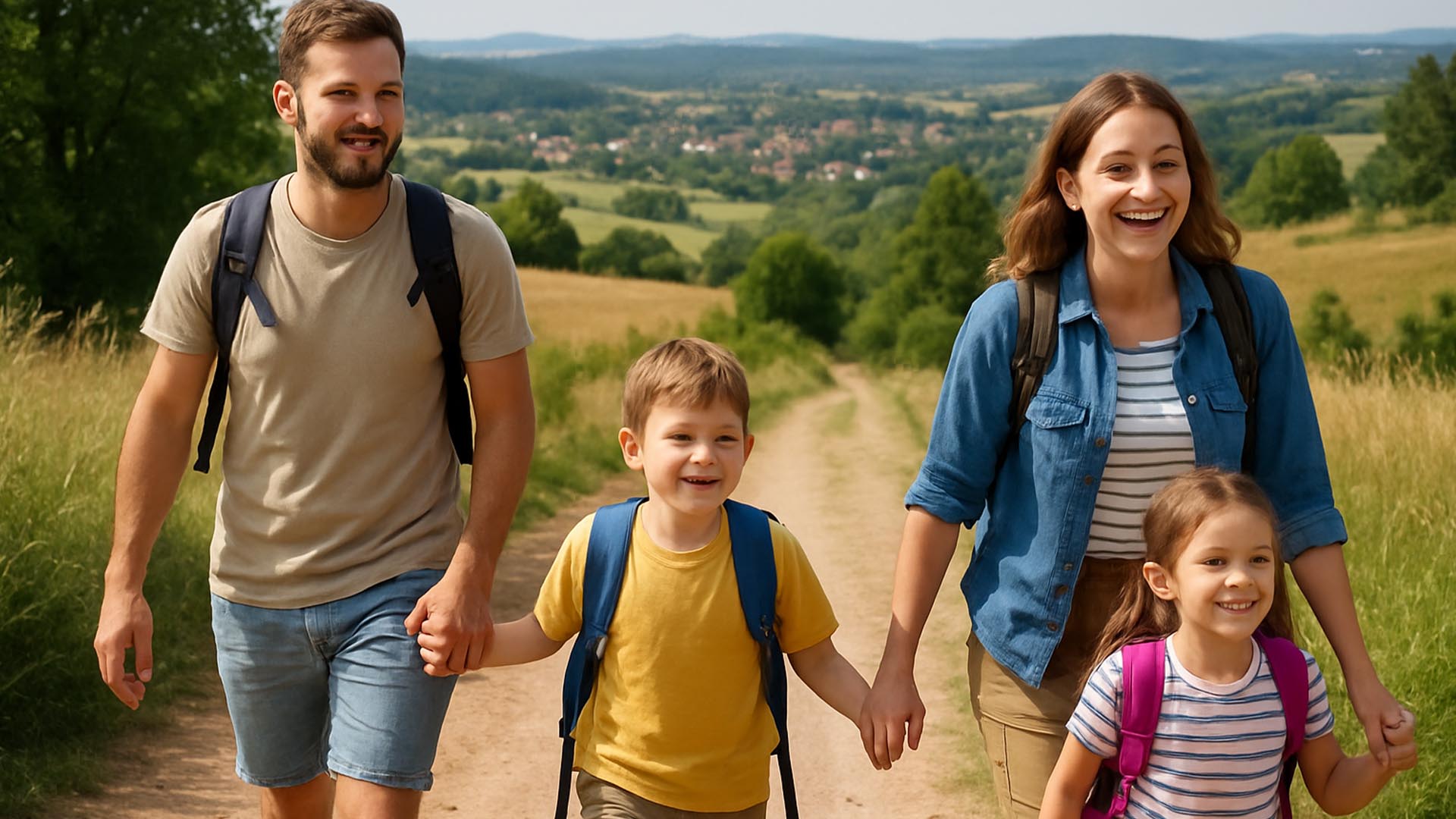

Why Family Trips Are Big for Kids
Taking children on trips is more than just fun. Research demonstrates that travel helps kids develop communication skills, adaptability and broadened perspectives. For instance, Travelynn Family lists “10 Reasons Why Travel with Young Kids” including improved social skills, sensory learning and strengthened family bonds.
When parents approach travel as a learning experience rather than only a break from routine, benefits multiply.
How Travel Builds A Team Within The Family
Family travel often forces everyone to collaborate — planning, navigating, adapting. The Institute for Family Studies writes that travel “turns families into teams,” which supports children’s sense of belonging and collective purpose.
That sense of belonging matters. Children who feel part of their family’s “team” are likelier to develop cooperation, responsibility and shared memories.
Pre-Trip Planning That Makes A Big Difference
Good trips don’t just happen. Preparation leads to smoother experiences, especially with kids.
According to Bright Horizons’ guide “Traveling with Kids: Tips and Strategies for a Smooth Journey”, key prep includes: involving children in planning, creating visual itineraries, avoiding over-booking, packing familiar items.
Useful steps for parents:
- Sit with kids, pick one or two activities they’re excited about.
- Build a simple itinerary, mark rest times and flexibility.
- Pack travel comfort items (favourite toy, blanket, snack bag) to anchor kids’ familiarity.
- Explain the destination in advance — visual aids, story, map.
On the Trip: Balancing Structure and Flexibility
While routines at home are important, travel requires an adapted version: a travel routine. A blog on Journey of Parenthood emphasises maintaining structure even while away — keep wake/sleep times similar, plan meals, designate breaks.
Some practical travel-routine tips:
- Travel days: break journey into manageable chunks.
- Use downtime for low-key rest (nap, reading) after busy activity.
- Build in movement breaks (let kids run, change scenes) to avoid crankiness.
- Allow flexibility — unexpected delays or changes will happen. Calmly managing these models resilience for kids.
Turning Travel Moments into Learning Moments
Parents can use trips as platforms for deeper learning without extra work. Consider:
- Geography & culture: talk about places you pass or visit, let children mark them on maps.
- Language: learn simple phrases with kids in the local language.
- Nature & science: if travelling to rural/outdoor spots, ask kids to observe differences (weather, animals, plants).
- Family history: share past travel memories, ask kids to record theirs (drawing, photos, journal).
Travelynn Family highlights that travel becomes “the best education” when children observe, ask and reflect.
Tips For Parents To Avoid Common Travel Pitfalls
Some of the most stressful moments on trips stem from fatigue, hunger and unpredictability. Key parental tricks:
- Prioritise sleep and proper meals — don’t skip them for “more fun”.
- Pack healthy snacks and stay hydrated. Keep in mind kids process new environments more slowly.
- Embrace quiet time: if kids are overwhelmed, retreat to calm space rather than pushing ahead.
- Limit constant screen time by alternating with non-screen activities: journal, drawing, conversation.
- Debrief together each day: ask kids what they liked, what surprised them, and what they learned.
Post-Trip Reflection: Cementing The Experience
Once the trip ends, its value multiplies when you reflect. Encourage children to:
- Share their favourite moment, write or draw it.
- Ask what they would like to do differently next time.
- Connect trip learnings with home life — e.g., “We saw lots of different foods; maybe we can try cooking something like that at home.”
This reflection helps consolidate lessons about adaptability, curiosity and family connection.
Low-Stress Trip Ideas That Don’t Break The Bank
Meaningful travel doesn’t require exotic places. Some thoughtful options:
- Weekend road trip within a few hours of home.
- Camping or nature cabin stay.
- Cultural day trips: museums, historic towns, local festivals.
- Community volunteer trip with kids (age-appropriate).
What matters: engagement, novelty, shared family intention — not luxury.
Sources
- https://www.travel lynnfamily.com/10-reasons-why-travel-with-young-kids/ — note: actual URL:
- https://travelynnfamily.com/10-reasons-why-travel-with-young-kids/
- https://ifstudies.org/blog/why-you-should-travel-with-your-kids
- https://www.brighthorizons.com/article/lifestyle/traveling-with-kids-tips-and-strategies
- https://journeyofparenthood.com/maintain-structure-while-traveling-with-kids/



0 Comments