



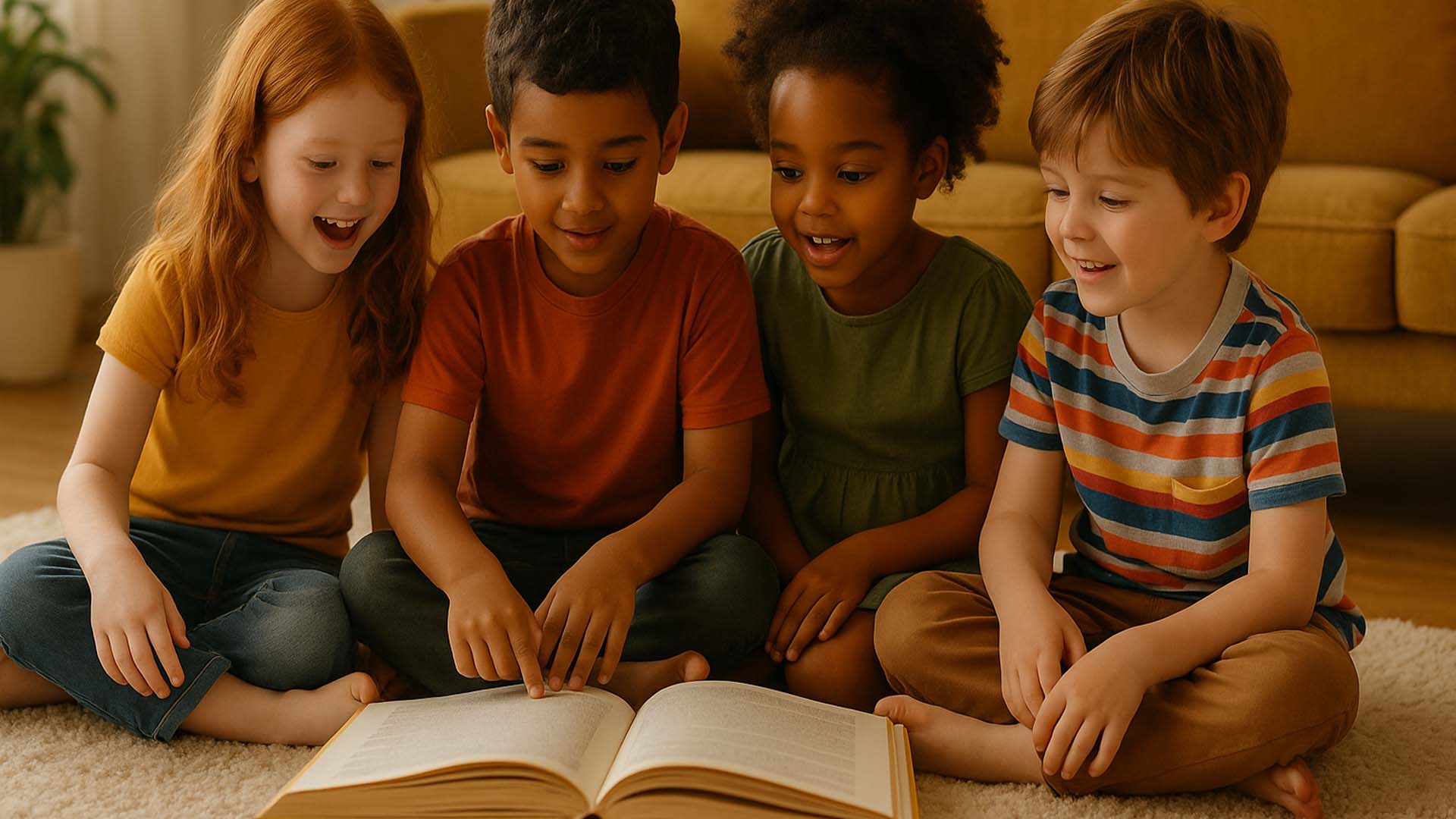
Reading is more than just deciphering words on a page; it's a gateway to new worlds, ideas, and endless possibilities. For children, the act of reading, whether independently or with a parent, is fundamental to their cognitive, emotional, and social development. This article will explore the myriad benefits of reading for children and how it can help them thrive in all aspects of life.
Why Reading is a Superpower for Kids
From the moment they hear their first bedtime story, children begin to develop a lifelong relationship with books. Reading helps build crucial language skills, expands vocabulary, and strengthens communication abilities [1]. It's a powerful tool that not only educates but also entertains, sparks imagination, and fosters a deeper connection between children and their caregivers. The positive impact of reading extends far beyond academic success, shaping well-rounded and empathetic individuals.
Unlocking the Benefits: How Reading Transforms Children
1. Boosting Brain Development and Cognitive Skills
Reading is like a workout for the brain. It stimulates brain cell activity and improves cognitive skills such as concentration, memory, and critical thinking [2]. Children who are read to regularly develop stronger language and listening skills, and are exposed to a wider range of vocabulary, which significantly impacts their readiness for school and future learning [3].
2. Expanding Vocabulary and Language Proficiency
Every book introduces children to new words and sentence structures, naturally expanding their vocabulary and improving their overall language proficiency. This exposure helps them articulate their thoughts and feelings more effectively, leading to better communication skills. The more children read, the more fluent and expressive they become in their language use.
3. Fostering Empathy and Emotional Intelligence
Stories allow children to step into the shoes of different characters, experiencing various emotions and situations. This process cultivates empathy, helping them understand and relate to the feelings of others [4]. By exploring diverse narratives, children develop emotional intelligence, learning to navigate complex social dynamics and build stronger relationships in their own lives.
4. Igniting Imagination and Creativity
Books are fertile ground for imagination. As children read, they visualize characters, settings, and events, actively engaging their creative minds. This imaginative play is crucial for developing problem-solving skills and fostering innovative thinking. Reading encourages children to dream big and explore possibilities beyond their immediate reality.
5. Strengthening Parent-Child Bonds
Reading aloud is a wonderful way to create special moments and strengthen the bond between parents and children. These shared experiences build emotional connections, create lasting memories, and establish a positive association with books and learning. It's a comforting ritual that can become a cherished part of family life.
6. Improving Academic Performance
Children who read regularly tend to perform better academically across all subjects. Strong reading skills are foundational for understanding textbooks, following instructions, and excelling in school. The knowledge gained from reading also contributes to a broader understanding of the world, making learning more engaging and effective.
Q&A: The Benefits of Reading for Children
Q1: At what age should I start reading to my child?
A1: You can start reading to your child from infancy! Even newborns benefit from hearing your voice and being exposed to language. Reading daily to young children, starting early, significantly aids in language acquisition and overall development.
Q2: How can I encourage my child to read if they're not interested?
A2: Make reading a fun and positive experience. Let your child choose books that interest them, create a cozy reading nook, and set aside dedicated reading time. Be a reading role model yourself, and consider audiobooks or interactive e-books to spark their interest. Don't force it; instead, make it an enjoyable activity.
Q3: Does the type of book matter for a child's development?
A3: While all reading is beneficial, diverse content is key. Exposing children to a variety of genres, authors, and topics helps broaden their perspectives and interests. Books with repetition, rhythm, and rhyme are particularly good for younger children to build vocabulary and phonological awareness.
Sources
[1] Why Is It Important to Read to Your Child? Child Mind Institute. https://childmind.org/article/why-is-it-important-to-read-to-your-child/
[2] The importance of reading. Health West Inc. https://www.healthwestinc.org/the-importance-of-reading/
[3] Child Development. Reach Out and Read. https://reachoutandread.org/why-we-matter/child-development/
[4] Eight Benefits of Reading for Children. Learning Links. https://www.learninglinks.org.au/resources/benefits-of-reading/



0 Comments