


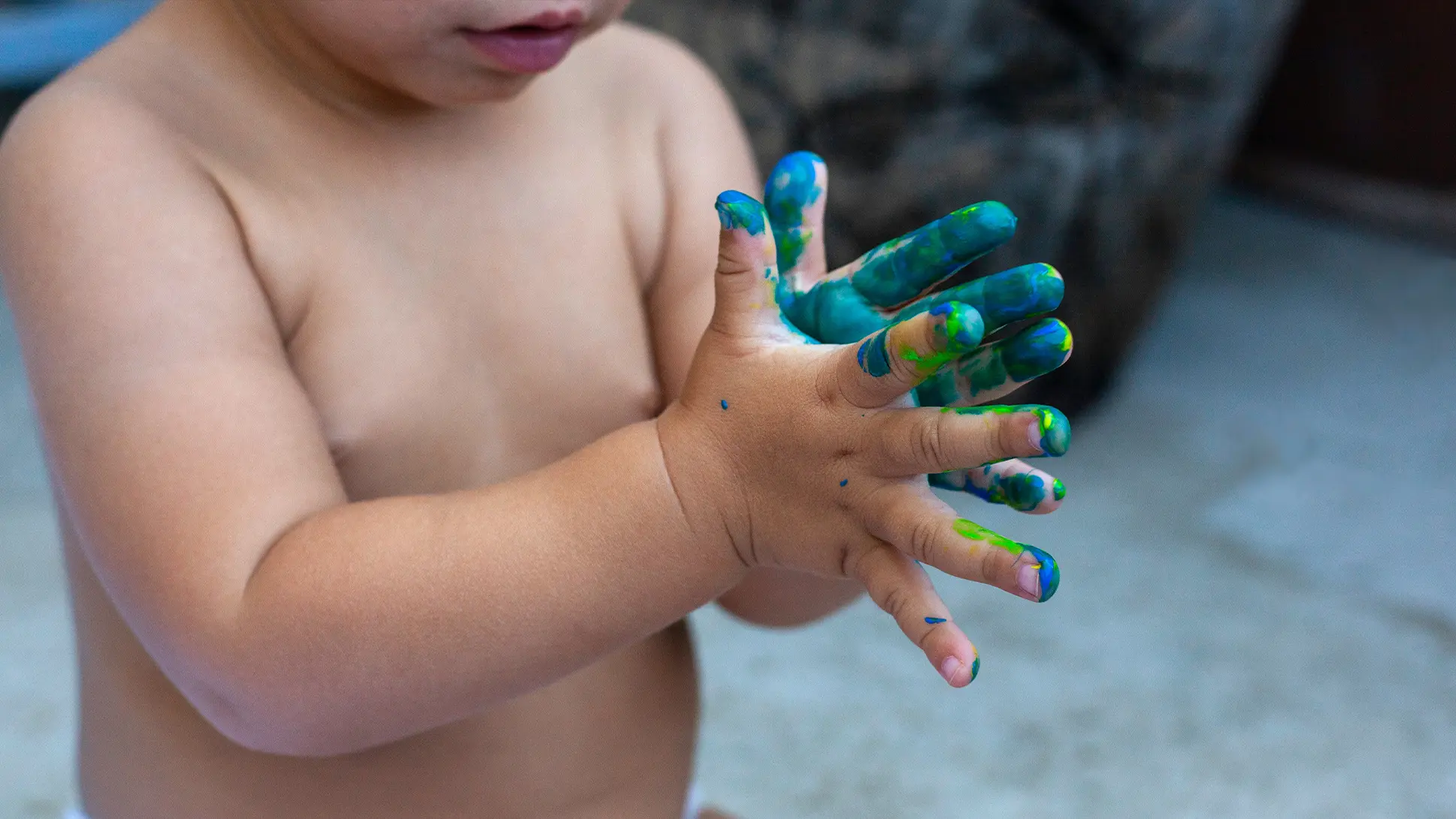
Sensory play is an essential part of early childhood development, helping kids explore the world through touch, sight, sound, smell, and even taste. Engaging in sensory activities strengthens motor skills, enhances creativity, and supports cognitive development. Best of all, sensory play is easy to set up at home using simple household materials.
This guide presents a variety of DIY sensory activities that make learning fun while providing valuable developmental benefits.
Why Sensory Activities Are Important
1. Boosts Cognitive and Motor Skills
- Helps children explore textures, shapes, and materials.
- Strengthens fine motor skills through scooping, pouring, and molding.
2. Encourages Creativity and Imagination
- Open-ended play allows kids to experiment and problem-solve.
- Sensory play fosters independent thinking and self-expression.
3. Supports Emotional Regulation
- Provides a calming effect, reducing stress and anxiety.
- Helps children focus and self-soothe through hands-on activities.
Fun and Easy DIY Sensory Activities
1. DIY Sensory Bin
What You Need:
- A large plastic bin
- Rice, beans, sand, or pasta (as base material)
- Small toys, spoons, scoops, or cups
Instructions:
- Fill a plastic bin with your chosen base material.
- Add small objects like toy animals, cars, or kitchen tools.
- Let kids explore by scooping, sorting, and playing.
Why It Works: Enhances fine motor skills and encourages imaginative play.
2. Homemade Playdough
What You Need:
- 2 cups flour
- 1 cup salt
- 1 cup water
- 1 tablespoon vegetable oil
- Food coloring (optional)
Instructions:
- Mix flour and salt in a bowl.
- Add water and oil, kneading until dough forms.
- Add food coloring for extra fun.
- Store in an airtight container for repeated use.
Why It Works: Strengthens hand muscles and provides a tactile sensory experience.
3. Ice and Water Sensory Play
What You Need:
- Ice cubes or crushed ice
- Water in a large container
- Small waterproof toys
Instructions:
- Fill a tub with cold water and ice cubes.
- Add small toys and let kids scoop, sort, and explore temperatures.
- Optional: Use colored ice cubes for extra fun.
Why It Works: Introduces temperature awareness and enhances hand-eye coordination.
4. Scented Sensory Bottles
What You Need:
- Empty plastic bottles
- Water or rice as a base
- Essential oils (lavender, lemon, mint)
- Small decorative items (beads, glitter, dried flowers)
Instructions:
- Fill bottles with rice or water.
- Add a few drops of essential oil.
- Seal tightly and let kids shake and smell different scents.
Why It Works: Engages the sense of smell and sight while offering a calming sensory experience.
Sensory Activities for Different Ages
1. For Toddlers (1-3 years old)
- Finger painting with non-toxic paint
- Edible sensory bins (oatmeal, cooked pasta)
- Water play with cups and spoons
2. For Preschoolers (3-5 years old)
- Playdough creations
- Sensory scavenger hunts (finding objects by texture)
- Scented rice bins
3. For Older Kids (6+ years old)
- Slime-making with safe ingredients
- Science-based sensory experiments (baking soda and vinegar fizzing reaction)
- Kinetic sand play
How Parents Can Enhance Sensory Play
- Encourage open-ended play to spark creativity.
- Use descriptive words to talk about textures, colors, and smells.
- Allow messiness while setting boundaries for clean-up.
- Observe what interests your child and adapt activities accordingly.
Conclusion
DIY sensory activities provide a fun and effective way for children to learn through hands-on exploration. Whether making playdough, setting up a sensory bin, or experimenting with textures, sensory play supports development in multiple ways. Try these simple activities at home and watch your child’s curiosity and skills grow!
Sources:
- American Academy of Pediatrics. "The Benefits of Sensory Play for Child Development." https://www.aap.org/
- National Association for the Education of Young Children. "How Sensory Play Supports Learning." https://www.naeyc.org/
- Harvard Graduate School of Education. "Hands-On Learning and Child Development." https://www.gse.harvard.edu/
Photo by Ana Klipper on Unsplash

0 Comments