



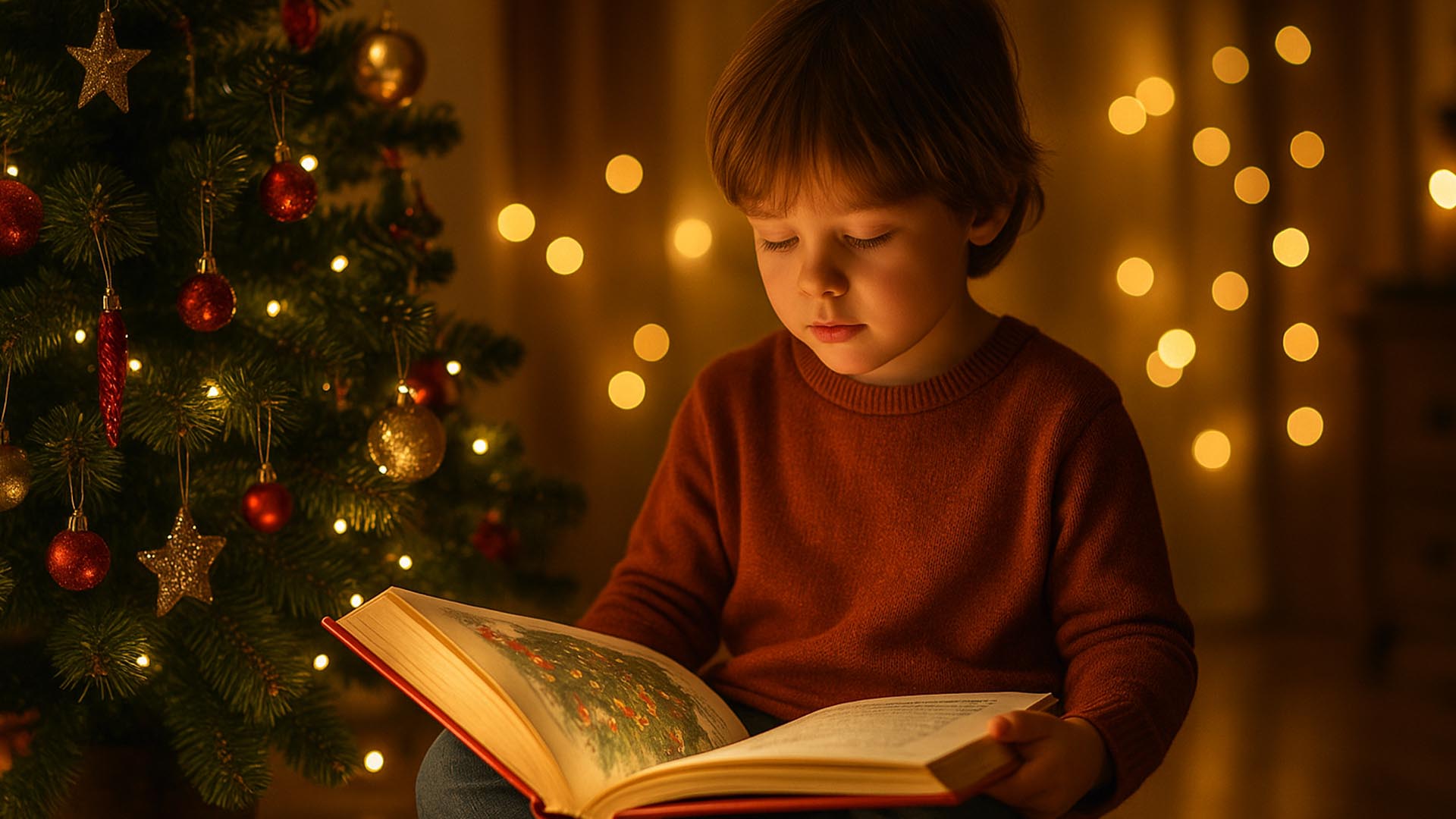
Every December, families open picture books, gather near the tree, or curl up in bed for a Christmas story. Whether it’s tales about winter adventures, magical surprises, or the joy of giving, Christmas stories play a powerful role in shaping how children see the world. But what makes holiday storytelling so impactful?
This article explains the psychology behind Christmas storytelling and how parents can use these stories to build empathy, creativity, and meaningful family traditions.
The Emotional Power of Christmas Stories
Christmas tales carry themes that resonate strongly with kids:
- Kindness and generosity
- Family and belonging
- Hope and second chances
- Magic and wonder
Children naturally connect to stories that include warmth, discovery, and emotional transformation.
How Christmas Stories Help Kids Grow
1. They build empathy
Holiday stories often feature characters learning compassion or helping someone in need.
2. They stimulate imagination
Snowy landscapes, magical creatures, talking animals, and festive villages encourage vivid mental images.
3. They teach problem-solving
Many Christmas stories include a small mystery or challenge that kids must reason through.
4. They strengthen family bonds
Reading together becomes a tradition that kids eagerly wait for each year.
The Science Behind Holiday Storytelling
Research shows that stories help the brain process emotions in a safe, structured way.
Kids use narrative experiences to understand real-life feelings like:
- excitement
- anticipation
- disappointment
- gratitude
Christmas stories often model emotional resilience.
How to Read Christmas Stories in a Meaningful Way
Turn reading into a ritual
Same place, same time each evening.
Ask reflective questions
- "What would you do if you found a lost present?”
- "Why do you think the character felt lonely?"
Let kids retell the story
Retelling improves memory and language skills.
Use props or drawings
Children can draw a scene or act out a moment.
Create your own family Christmas story
Kids love being part of the narrative.
Q&A Section
Do Christmas stories help develop empathy?
Yes. They show characters giving, helping, and showing kindness.
Are holiday stories good for emotional learning?
Very. They let kids explore big feelings in a safe and warm setting.
When is the best time to read Christmas stories?
Evenings are ideal because storytelling creates calm before bed.



0 Comments