



Why Music Is A Superpower for Kids
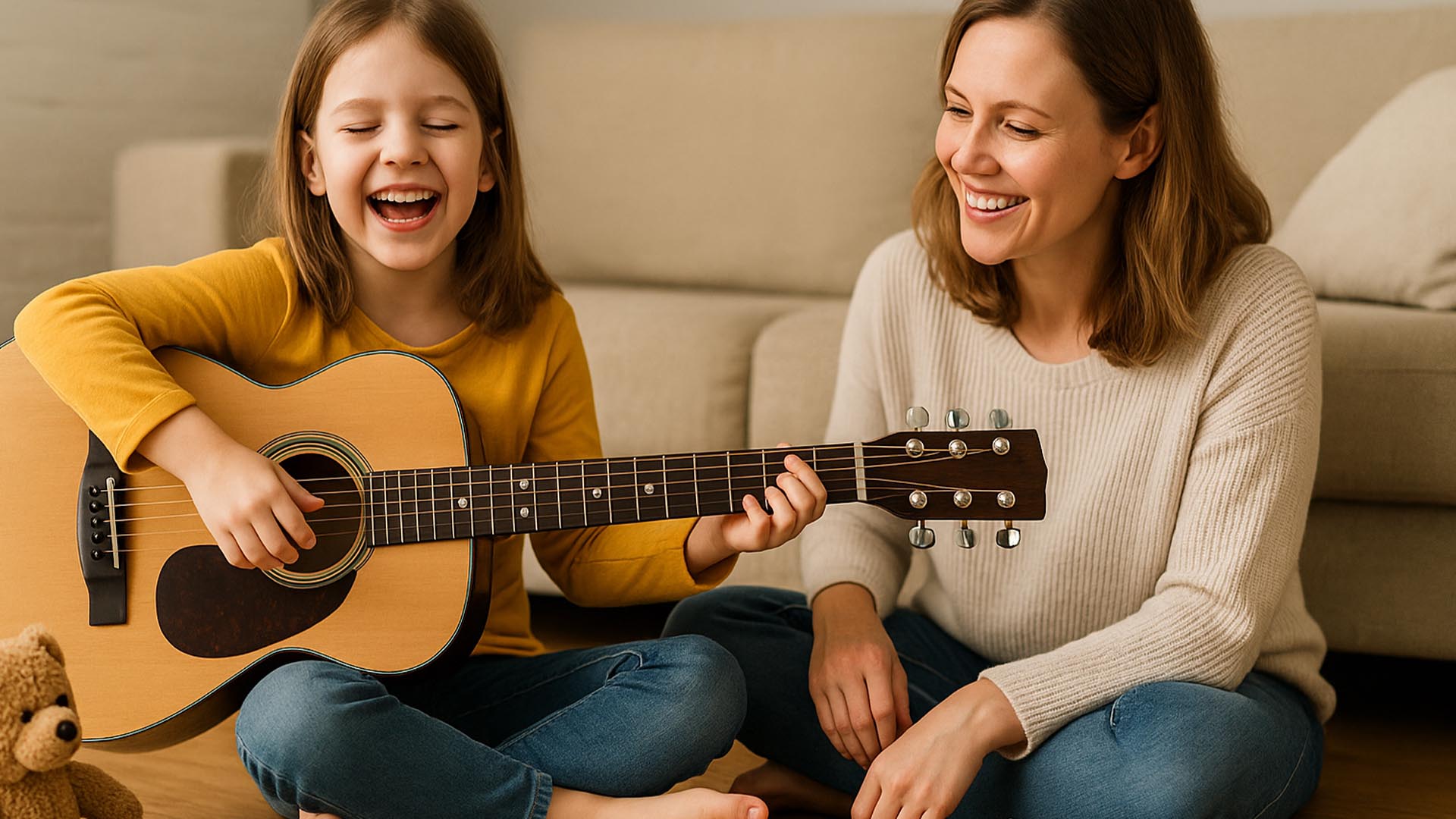
Music is more than entertainment — it’s a developmental tool backed by decades of research. The American Academy of Pediatrics states that music boosts language development, early literacy and emotional expression in young children. Listening or singing activates multiple areas of the brain at once, connecting sound, movement and memory into a unified learning experience.
Music helps children understand patterns, anticipate changes and develop auditory memory. Even simple songs like “Itsy Bitsy Spider” help children follow a sequence, build vocabulary and exercise fine-motor coordination through gestures.
How Music Shapes the Developing Brain
Harvard’s Center on the Developing Child explains that repeated musical exposure strengthens neural pathways. Kids who engage with rhythm and repetition build better skills in focus, impulse control and problem solving — all core components of executive function.
Neuroscience studies further show that musical training supports:
- Speech processing
- Working memory
- Auditory attention
- Early math skills, due to rhythmic structure
- Creativity and flexible thinking
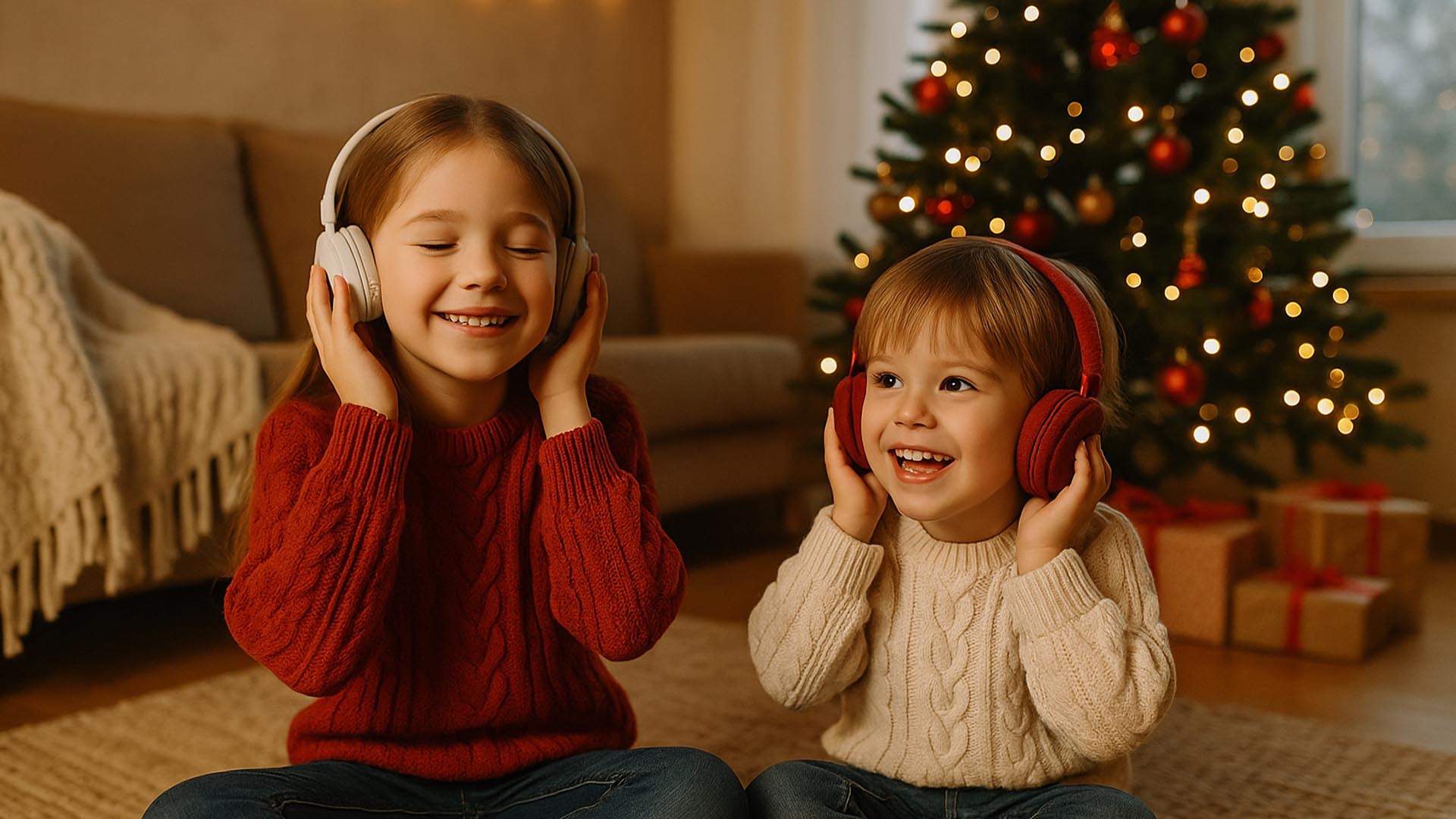
These benefits appear even if the child does not play an instrument — passive listening and active singing both count.
How Songs Support Language Development
Music and language share the same neural networks. Research published through the National Institutes of Health highlights that children exposed to songs with clear melody and rhythm develop stronger pronunciation, richer vocabulary and better language comprehension.
Singing helps kids:
- Recognize syllables
- Hear rhymes
- Understand sentence patterns
- Practice new words in a playful context
This is why many preschool programs integrate daily music sessions into early reading curricula.
Why Rhythm Helps Kids Regulate Emotions
Music regulates the nervous system. Calm music slows breathing and reduces cortisol, while playful rhythms help kids release energy safely.
The University of California’s Greater Good Center highlights that music activates emotional circuits that support empathy, bonding and stress relief.
Parents can use this to guide moments during the day:
- Calm background music during homework
- Playful rhythms during cleanup
- Lullabies before bedtime
- Movement songs to release tension
Daily Music Routines That Help Kids Learn
Parents can build simple daily rituals to integrate music into learning:
Morning routines
- A wake-up song
- A “ready for the day” playlist
- Short rhythm tapping exercises
Afternoon routines
- A music break between homework blocks
- Singing while doing chores
- Practicing beats with household items
Evening routines
- A quiet soundtrack during dinner
- Relaxing melodies during bath
- A lullaby ritual before sleep
These routines create emotional anchors and structure — essential for learning and behavior regulation.
How Music Helps With Social Skills
Music is social by nature. Group singing teaches cooperation, listening, turn-taking and emotional empathy.
Research from the University of Oxford shows that singing together helps children bond quickly, even with unfamiliar peers.
When children perform or sing in groups, they experience shared pride and confidence, strengthening their sense of belonging.
Should Kids Learn an Instrument?
Instrument learning supports discipline, memory and patience — but it is not mandatory to get the benefits of music.
Children can enjoy:
- Voice-based music
- Body percussion
- Homemade instruments
- Rhythm clapping
- Listening sessions
The focus should be on joy, not perfection.
How Parents Can Encourage Musical Growth
- Play different genres at home
- Let kids choose songs
- Encourage singing without pressure
- Provide simple instruments
- Make music a shared activity, not a task
- Celebrate musical curiosity
Kids learn best when music feels like play.
Sources
- https://www.schoolofrock.com/resources/music-education/kids-music-effects-of-music-on-child-development
- https://www.earlychildhood.qld.gov.au/early-years/early-learning-at-home/encourage/the-many-benefits-of-music
- https://www.brighthorizons.com/article/education/music-and-children-rhythm-meets-child-development
- https://www.ncbi.nlm.nih.gov/pmc/articles/PMC3957486
- https://headstart.gov/curriculum/article/music-child-development


0 Comments