



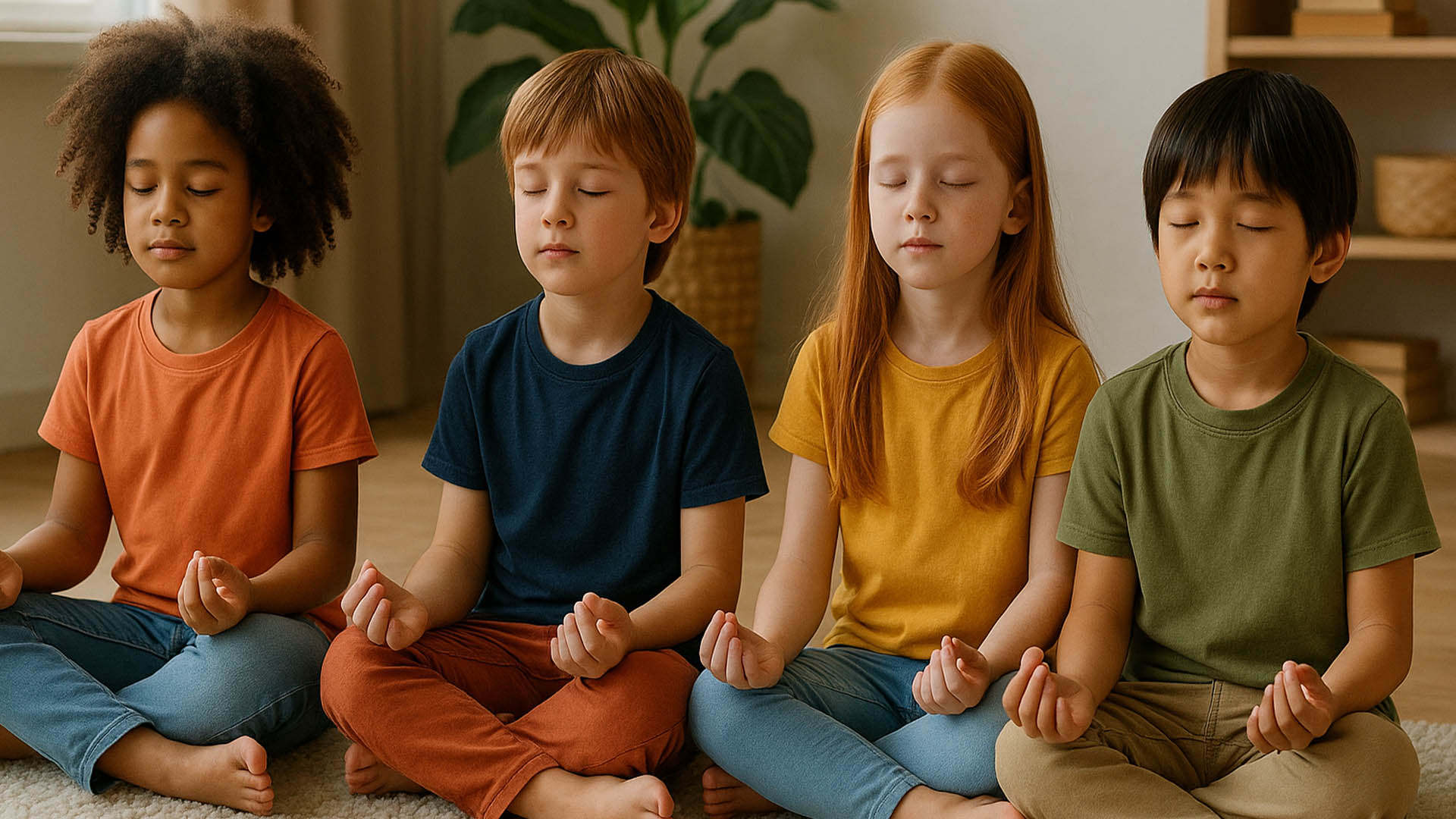
Life can sometimes feel busy and overwhelming, even for kids! Have you ever noticed your mind racing, or found it hard to focus on just one thing? That's where mindfulness comes in! Mindfulness is like a superpower that helps us pay attention to the present moment, noticing our thoughts, feelings, and the world around us without judgment.
It's about being aware, calm, and present. Learning mindfulness can help children manage big emotions, improve focus, and feel happier. Let's discover what mindfulness is and how simple practices can bring more peace and joy to your child's day.
Understanding Mindfulness: What It Means for Kids
Mindfulness is a simple yet powerful practice that can be easily introduced to children. It's about helping them tune into their senses and internal experiences.
What is Mindfulness?
At its core, mindfulness means paying kind, honest attention to the present moment. It's about noticing what you see, hear, smell, taste, and feel right now, without getting caught up in worries about the past or future. For kids, this can be as simple as focusing on their breath, listening to sounds around them, or really tasting a piece of fruit. As Calm.com explains, "Mindfulness encourages kids to notice their feelings without immediate reaction. This awareness creates a space between feeling an emotion and…" This space allows children to choose how they react, rather than just reacting impulsively.
The Amazing Benefits of Mindfulness for Children
Practicing mindfulness offers a treasure trove of benefits for children, helping them grow into resilient and emotionally intelligent individuals. Some key benefits include:
- Better Emotional Regulation: Mindfulness helps kids recognize and understand their feelings, giving them tools to manage anger, sadness, or anxiety more effectively.
- Improved Focus and Attention: By training their minds to stay in the present, children can concentrate better in school and during activities.
- Reduced Stress and Anxiety: Mindfulness techniques like deep breathing can help children calm their bodies and minds when they feel stressed or worried.
- Increased Self-Awareness: Kids learn to listen to their inner voice and understand their own unique thoughts and feelings.
- Enhanced Empathy: By becoming more aware of their own feelings, children can better understand and connect with the feelings of others.
- More Positive Moods: Regular mindfulness practice can lead to a greater sense of calm and happiness.
Simple Mindfulness Exercises for Kids
Introducing mindfulness to children doesn't require complicated techniques. Here are some fun and easy exercises to try:
- Belly Breathing: Ask your child to lie down and place a small stuffed animal on their belly. Encourage them to watch the animal rise and fall with each breath. This helps them focus on their breath and calm their body.
- Mindful Eating: Choose a small snack, like a raisin or a piece of fruit. Encourage your child to look at it closely, smell it, feel its texture, take a small bite, and notice all the flavors and sensations before swallowing. This teaches them to savor the moment.
- Sound Safari: Sit quietly with your child and listen for all the sounds you can hear, both near and far. Discuss what sounds they noticed. This helps develop focused listening skills.
- Gratitude Jar: Each day, have your child write or draw one thing they are grateful for and put it in a jar. Reading these together can foster positive emotions and appreciation.
- Mindful Walking: Go for a walk and encourage your child to notice everything around them – the colors of leaves, the feel of the wind, the sounds of birds. Engage all their senses.
Q&A: Your Questions About Mindfulness for Kids Answered
Q1: Is mindfulness suitable for very young children, like preschoolers?
A1: Absolutely! Mindfulness can be adapted for even the youngest children. Simple activities like focusing on their breath, listening to sounds, or mindful eating can be introduced in short, playful ways. The key is to keep it fun and age-appropriate, without pressure.
Q2: How can mindfulness help my child with big emotions like anger or frustration?
A2: Mindfulness teaches children to pause and notice their emotions without immediately reacting. By practicing techniques like deep breathing, they learn to create a little space between feeling an emotion and responding to it. This helps them calm down and choose a more thoughtful reaction, rather than lashing out or getting overwhelmed.
Q3: What's the best way for parents to practice mindfulness with their children?
A3: The best way is to practice together! Children learn by example. When parents model mindfulness – by taking a deep breath when stressed, paying full attention during playtime, or expressing gratitude – children are more likely to adopt these practices. Make it a shared, joyful experience rather than a chore.
Sources
- Calm.com. (2024, December 6). Mindfulness for kids: Benefits and how to explain it to children. https://www.calm.com/blog/mindfulness-for-kids
- Mindful.org. Mindfulness for Kids. https://www.mindful.org/mindfulness-for-kids/
- Child Mind Institute. (2024, November 22). The Power and Benefits of Mindfulness Meditation. https://childmind.org/article/the-power-of-mindfulness/
- Children's Hospital Colorado. Benefits of Mindfulness. https://www.childrenscolorado.org/doctors-and-departments/departments/psych/mental-health-professional-resources/primary-care-articles/mindfulness/

0 Comments