



The Rise of AI Tutors & Smart Devices
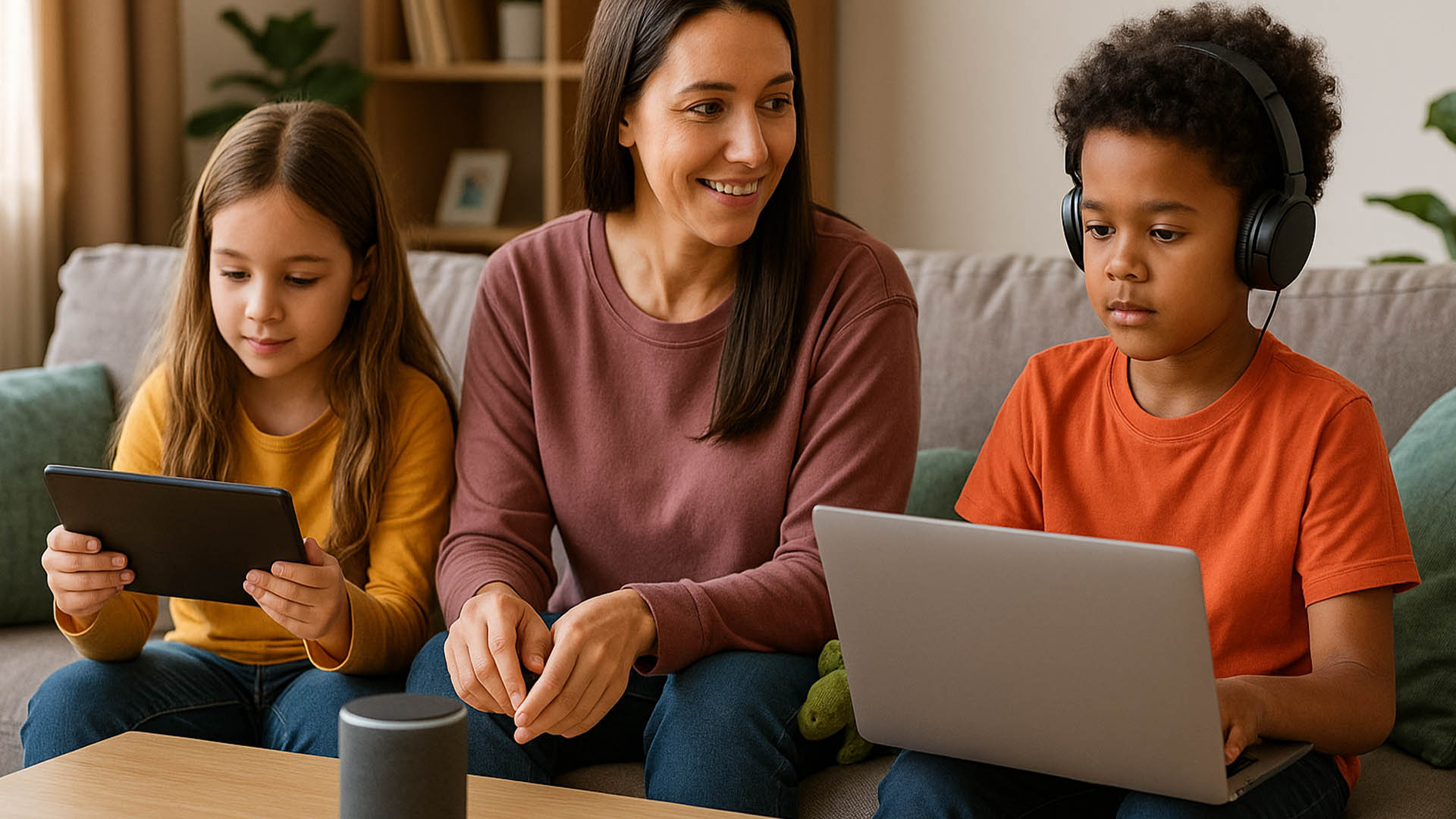
By 2025, AI-powered tutors are common—even preschoolers access personalized math or reading apps. Smart speakers read bedtime stories, and connected toys adapt to a child’s skill level Navigating the Digital Jungle. While these tools boost engagement and tailor instruction, they can also fragment family time.
Key Considerations for Parents
- Data Privacy: Many devices collect learning data—ensure strong privacy settings and read manufacturer policies carefully.
- Screen Boundaries: Set daily limits on app usage. Use apps that enforce breaks and encourage offline activities.
- Parental Involvement: Co-learn alongside AI—ask your child to explain concepts, reinforcing understanding and rapport.
Strategies for Balance
- Create Tech Zones: Designate one “white-glove” area (no devices) for meals and conversations.
- Integrate Tech & Play: Follow an AI lesson with a real-world experiment—a virtual baking demo paired with kitchen play.
- Digital Sabbatical: Beyond weekly detox days, schedule tech-free evenings—read physical books or play analog games.
Looking Ahead
While technology will only deepen its reach—think virtual reality field trips—parenting success in 2025 hinges on thoughtful integration. By balancing AI-driven learning with human connection, families can enjoy the best of both worlds.
Q&A Section
Q1: Are AI tutors safe for young children?
A1: Yes—when vetted for age-appropriate content and paired with privacy controls, they can enhance learning Navigating the Digital Jungle.
Q2: How do we encourage offline play?
A2: Use tech time as a springboard—after a music app session, play instruments or craft real rhythm shakers together.
Sources:
- “Digital Parenting in 2025” guide Navigating the Digital Jungle



0 Comments