



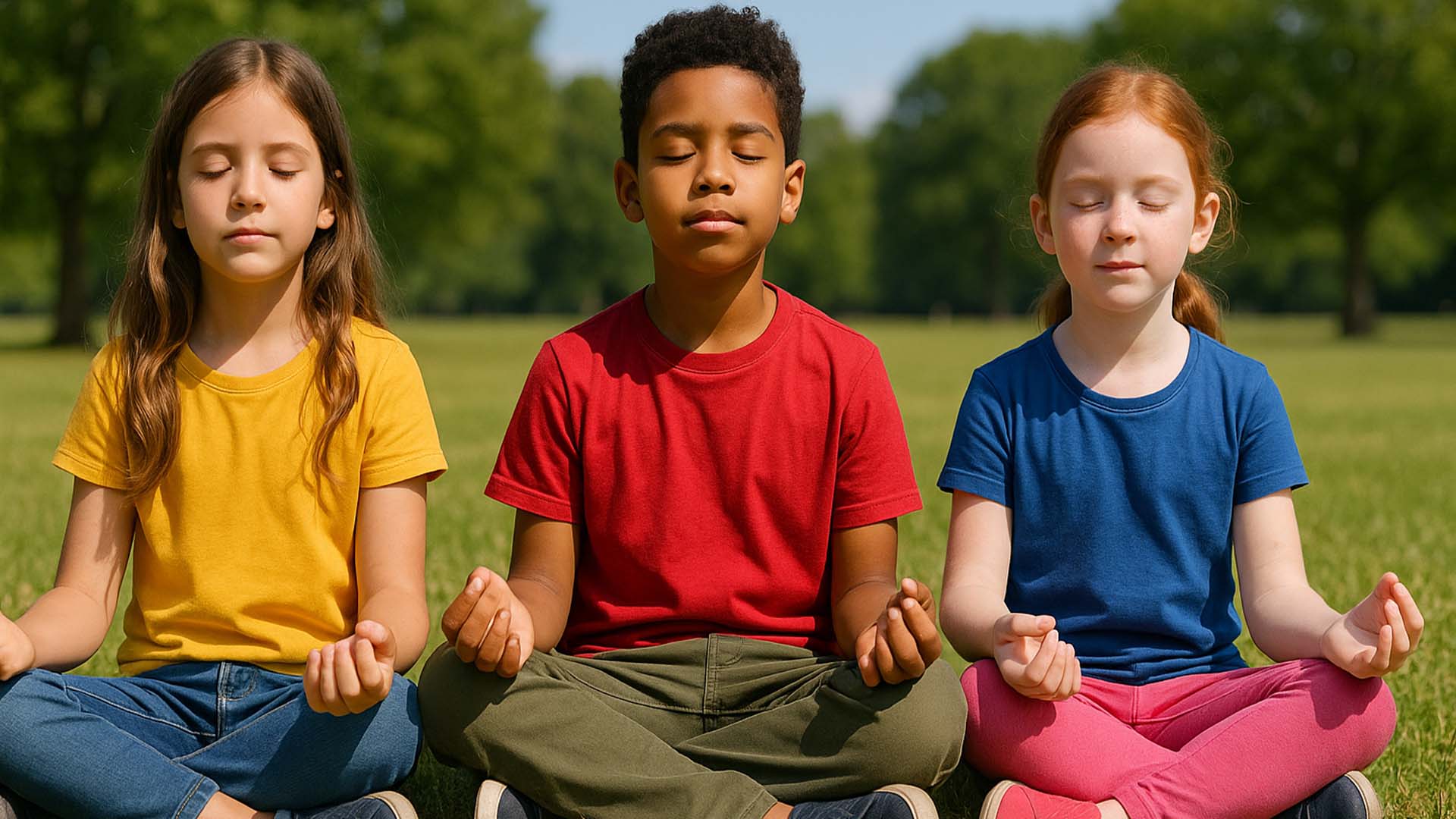

In our fast-paced world, children are often faced with distractions, stress, and pressure. Mindfulness, the practice of paying attention to the present moment without judgment, can be a powerful tool to help children navigate these challenges. This article will explore the benefits of mindfulness for kids and provide simple and fun exercises to introduce this practice into your family's life.
What is Mindfulness for Kids?
Mindfulness for children is not about sitting in silent meditation for hours. It's about teaching them to be aware of their thoughts, feelings, and surroundings in a kind and curious way. It can be as simple as paying attention to the taste of their food, noticing the feeling of their breath, or listening to the sounds around them. By practicing mindfulness, children can learn to better manage their emotions, improve their focus, and cultivate a sense of inner calm [1].
The Benefits of Mindfulness for Children
Research has shown that mindfulness can have a wide range of benefits for children, including:
- Improved Focus and Attention: Mindfulness exercises can help children strengthen their ability to concentrate and stay on task [2].
- Better Emotional Regulation: By becoming more aware of their emotions, children can learn to respond to them in a more thoughtful and less reactive way [3].
- Reduced Stress and Anxiety: Mindfulness can help children calm their minds and bodies, reducing feelings of stress and anxiety.
- Increased Empathy and Compassion: Mindfulness can help children develop a greater sense of connection to others and a more compassionate outlook on the world.
- Enhanced Self-Esteem: By learning to accept themselves without judgment, children can build a stronger sense of self-worth.
Simple Mindfulness Exercises for Kids
1. The Breathing Buddy
Have your child lie down and place a stuffed animal on their belly. Ask them to watch the stuffed animal rise and fall as they breathe in and out. This simple exercise can help them connect with their breath and feel a sense of calm.
2. The Listening Game
Ask your child to sit quietly and listen for all the different sounds they can hear, both near and far. This can help them focus their attention and become more aware of their surroundings.
3. The Mindful Walk
Go for a walk with your child and encourage them to notice all the different things they can see, hear, and feel. This can be a fun way to practice mindfulness while enjoying the outdoors.
4. The Gratitude Jar
Create a gratitude jar with your child and encourage them to write down or draw pictures of things they are grateful for. This can help them cultivate a positive outlook and appreciate the good things in their lives.
Q&A: Your Mindfulness Questions Answered
Q1: At what age can I start teaching my child mindfulness?
A1: You can start introducing simple mindfulness concepts to children as young as three or four. The key is to keep it playful and age-appropriate. For younger children, focus on sensory experiences, like a mindful walk or the breathing buddy exercise.
Q2: How long should my child practice mindfulness each day?
A2: Even a few minutes of mindfulness each day can be beneficial. Start with short sessions of one to two minutes and gradually increase the time as your child gets older and more comfortable with the practice.
Q3: What if my child doesn't want to participate in mindfulness exercises?
A3: It's important not to force mindfulness on your child. Instead, try to make it a fun and inviting experience. You can also model mindfulness yourself by practicing it in your own life. When children see their parents practicing mindfulness, they are more likely to be interested in trying it themselves.
Q4: Are there any apps or resources that can help me teach my child mindfulness?
A4: Yes, there are many great apps, books, and websites that can help you teach your child mindfulness. Some popular options include Calm, Headspace for Kids, and Mindful.org. These resources offer guided meditations, stories, and activities designed specifically for children.
Sources
[1] Mindfulness for Kids
[2] Mindfulness for kids: Benefits and how to explain it to children - Calm
[3] The Power and Benefits of Mindfulness Meditation| Child Mind Institute


0 Comments