



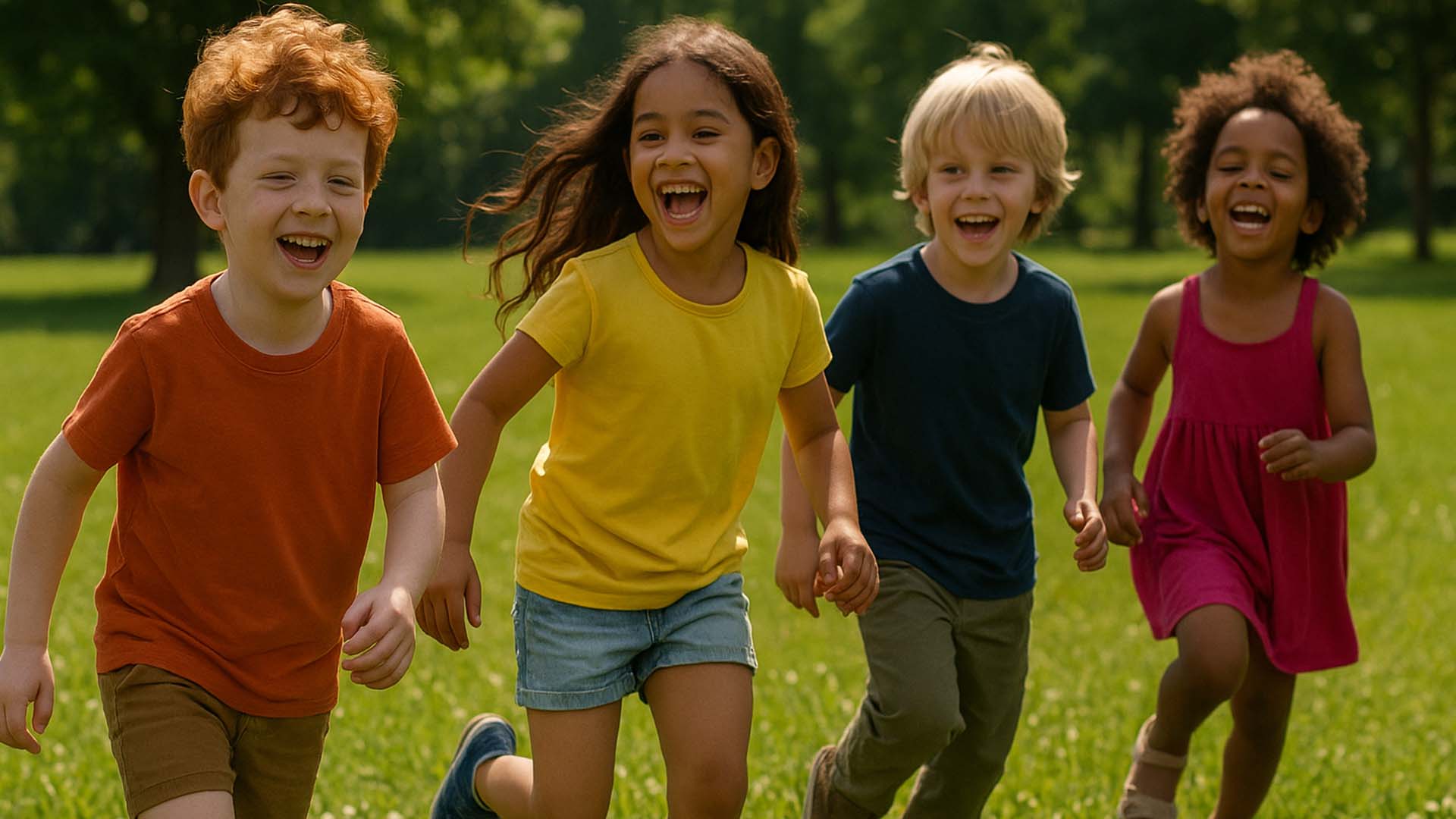
In our increasingly structured world, the simple act of play can sometimes be overlooked. Yet, for children, play is far from just a pastime; it's a fundamental building block for healthy development. From fostering creativity to building crucial social skills, play is a superpower that helps children thrive. This article will delve into why play is so important for kids, the different types of play, and how parents can encourage more playful learning.
Why Play is Essential for Child Development
Play is the natural way children learn about themselves and the world around them. Through play, children develop cognitive, emotional, social, and physical skills that are vital for their growth. It's how they experiment, solve problems, and understand complex concepts in a fun and engaging way.
"Play provides children with opportunities to learn about and master relationships, language, math, science, problem solving, and their bodies." 1
Here are some key benefits of play:
- Cognitive Development: Play stimulates brain development, enhancing problem-solving abilities, critical thinking, and creativity. Whether building a fort or solving a puzzle, children are constantly learning through exploration.
- Social and Emotional Growth: Through interactions during play, children learn to share, negotiate, cooperate, and understand different perspectives. It helps them regulate emotions, build empathy, and develop strong interpersonal skills.
- Physical Health: Active play is crucial for physical development, improving coordination, balance, and motor skills. It also helps children expend energy, leading to better eating and sleeping habits.
- Stress Reduction: Play provides an outlet for children to express themselves and release stress, contributing to their overall well-being and happiness.
Different Types of Play
Play isn't just one thing; it encompasses a wide range of activities, each contributing uniquely to a child's development. Understanding these types can help parents provide diverse play opportunities.
- Unoccupied Play: Seemingly random movements without a specific purpose, but it helps children explore their bodies and surroundings.
- Solitary Play: A child plays alone, focused on their own activity, even when others are nearby. This helps develop self-sufficiency.
- Onlooker Play: A child observes others playing but does not join in. They are learning by watching.
- Parallel Play: Children play side-by-side with similar toys but without direct interaction. This is common in toddlers and helps them learn about proximity.
- Associative Play: Children play together, sharing materials and interacting, but without a common goal or organized structure.
- Cooperative Play: Children work together towards a common goal, often involving rules and roles, like building a sandcastle or playing a board game. This is crucial for teamwork and negotiation skills.
Encouraging More Playful Learning
Parents can foster a rich play environment by providing opportunities and space for both structured and unstructured play. It's important to allow children to lead their play, even if it seems messy or purposeless to adults.
- Provide open-ended materials: Blocks, art supplies, and natural elements encourage imaginative play.
- Limit screen time: Encourage outdoor play and hands-on activities.
- Join in the fun: Play with your children, but let them direct the activity. This strengthens bonds and models playful behavior.
- Create a safe space: Ensure a safe environment where children feel free to explore and take age-appropriate risks.
Q&A
Q: How much time should my child spend playing each day?
A: While there's no strict rule, experts recommend that young children have several hours of unstructured play daily. The quality of play is often more important than the quantity.
Q: Is educational play better than free play?
A: Both are important! Educational play can introduce specific concepts, but free play is crucial for developing creativity, problem-solving, and social skills. A balance of both is ideal.
Sources
[2] https://www.naeyc.org/our-work/families/10-things-every-parent-play
[3] https://www.healthychildren.org/English/family-life/power-of-play/Pages/the-power-of-play-how-fun-and-games-help-children-thrive.aspx


0 Comments